
Tilapia in Roasted Pepper Sauce

Light, bright tilapia fillets finished with a silky roasted red pepper sauce — a quick, healthy weeknight favorite that feels special enough for guests.
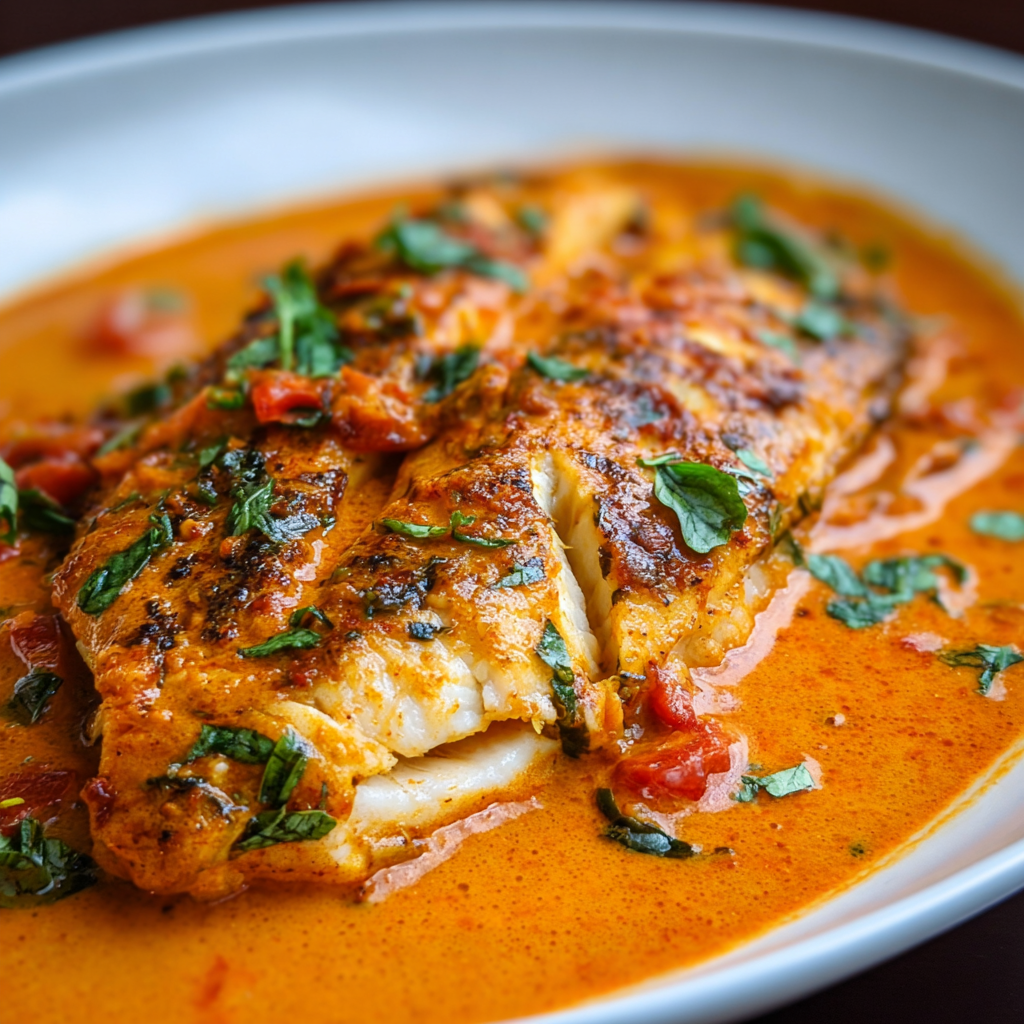
This simple tilapia with roasted pepper sauce has been one of my go-to weeknight dishes since I first threw it together on a busy summer evening. I was drawn to the bright, sweet flavor of roasted red peppers and how quickly they transform into a silky sauce when blitzed with a little lemon and garlic. The combination of flaky white fish and a smoky-sweet red pepper purée feels elevated, yet it’s the kind of meal you can make on a Tuesday and still serve to friends without feeling rushed.
I discovered this approach while cleaning out the fridge: two large bell peppers, a head of garlic, and a few tilapia fillets on the bottom shelf. Roasting the peppers concentrates their sweetness and adds a hint of char that balances the bright lemon juice. The texture contrast between crisped edges on the fish and the smooth sauce is what makes this dish memorable — each bite has zesty acidity, a touch of smokiness, and that satisfying flake of perfectly cooked fish. It’s light, healthy, and reliably crowd-pleasing at the same time.
Why You'll Love This Recipe
- Ready in about 30 minutes from start to finish, making it ideal for busy weeknights when you want something fast but impressive.
- Uses pantry-friendly ingredients and fresh produce: just bell peppers, garlic, lemon, and a simple seasoning — minimal shopping required.
- The roasted pepper purée can be made ahead and stored for up to 3 days in the refrigerator, saving time on busy evenings.
- Low in carbs and high in protein, this is a light main course that pairs well with whole grains, salads, or roasted vegetables.
- Versatile sauce: use it over fish, chicken, grilled vegetables, or even tossed with pasta for another quick meal.
- Great for entertaining — it looks vibrant on the plate and can be scaled easily to feed a crowd.
In my kitchen this dish quickly became a family favorite; my partner always says the roasted pepper sauce tastes like summer in a spoon. Guests consistently comment on the color and brightness. I also love that the purée is forgiving — if the peppers get a bit more charred than planned the smoky notes actually improve the flavor.
Ingredients
- Tilapia fillets (4 fillets, about 6 oz each): Look for fresh, firm fillets with no fishy odor. Frozen is fine — thaw in the refrigerator overnight. Tilapia cooks quickly and flakes easily, which keeps this meal fast.
- Red bell peppers (2 large): Choose bright, firm peppers with glossy skin. Roasting intensifies their natural sweetness and adds a hint of char; the skins can be removed for a smoother sauce, but leaving a bit of skin adds texture and color.
- Garlic (3 cloves): Fresh garlic gives a sharp, aromatic background note. Roast with the peppers for a milder, caramelized flavor or use raw for a punchier sauce — both work well.
- Olive oil (2 tbsp): Extra virgin olive oil adds richness and helps with roasting. Reserve a little for the skillet if you like a crisp edge on the fish.
- Lemon juice (2 tbsp fresh): Freshly squeezed lemon brightens the sauce and balances the peppers’ sweetness. Bottled juice won’t deliver the same freshness.
- Salt and black pepper: Simple seasoning to taste. I recommend finishing with a pinch of flaky sea salt when serving for texture contrast.
Instructions
Preheat and prepare peppers: Preheat the oven to 400°F (200°C). Slice the red bell peppers into large strips, removing seeds and membranes. Toss with 2 tablespoons olive oil, a pinch of salt, and a few turns of freshly cracked black pepper. Spread in a single layer on a rimmed baking sheet so they roast rather than steam. Roast until charred and soft: Roast the peppers for about 18 to 22 minutes, turning once halfway through. Look for softened flesh and areas of light char — the goal is a sweet, concentrated flavor. If you prefer a smoother purée, transfer the hot peppers to a covered bowl or a paper bag for 5 minutes to steam; the skins will lift and be easier to remove. Make the sauce: Transfer the roasted peppers to a blender or food processor with the garlic cloves and 2 tablespoons fresh lemon juice. Purée until smooth. Taste and adjust salt and pepper. If the sauce is too thick, add 1 teaspoon of water or a drizzle of olive oil to reach a silky consistency. Cook the fillets: Heat a large skillet over medium heat and add a light film of oil. Pat the tilapia completely dry and season both sides with salt and pepper. Cook the fillets for 3 to 4 minutes per side, depending on thickness, until golden at the edges and opaque in the center. Avoid overcooking — the fish should flake easily with a fork. Finish and serve: Reduce the heat to low, spoon the roasted pepper sauce over the cooked fish, and simmer for about 30 to 60 seconds to marry the flavors. Serve immediately, garnished with a lemon wedge or chopped parsley for freshness.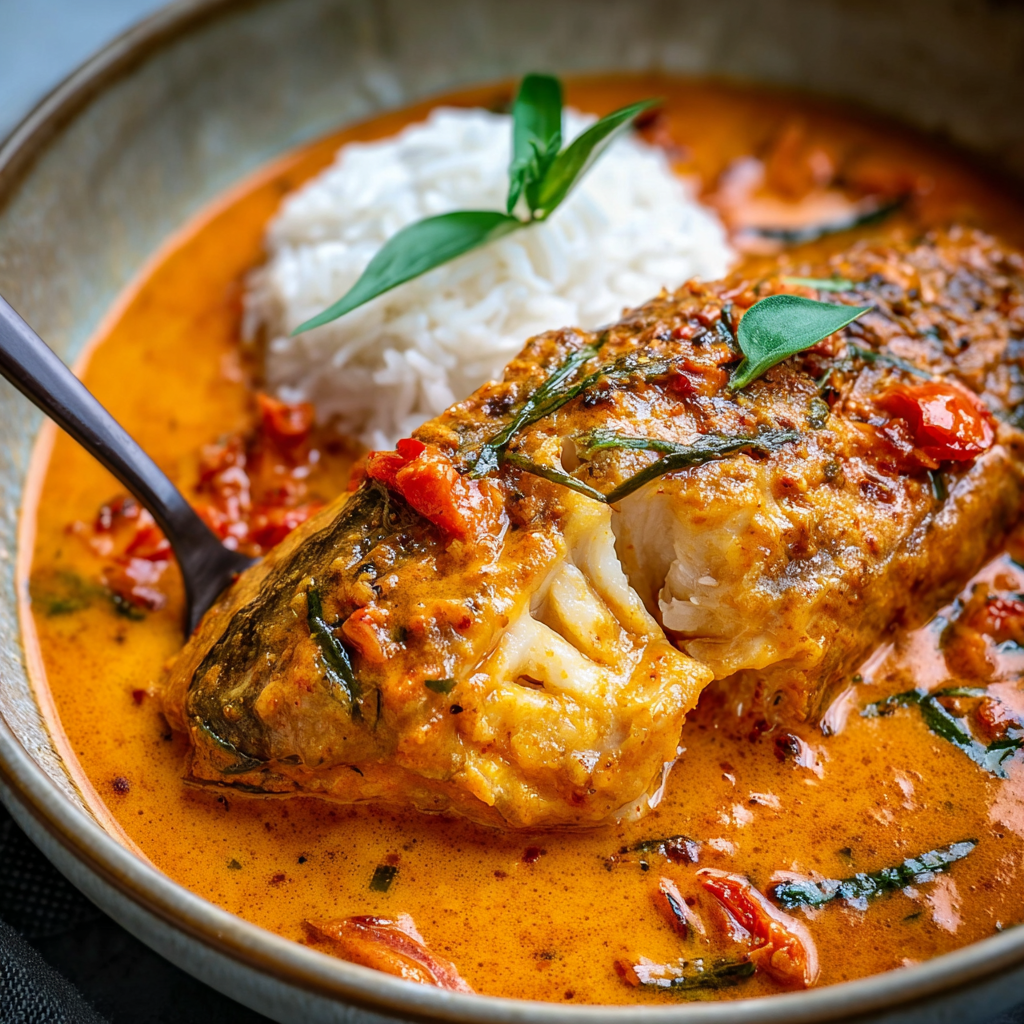
You Must Know
- This dish is naturally high in protein and low in carbohydrates — about 300 calories per serving when divided into four portions, with roughly 34 g protein and 7 g fat per serving.
- The roasted pepper purée will keep in the refrigerator for up to 3 days or freeze for 2 to 3 months in a sealed container; thaw in the refrigerator before reheating gently.
- Use a hot skillet and pat the fish dry to ensure a nicely browned exterior; overcrowding the pan will create steam and prevent a golden crust.
- For a smoother sauce, peel the roasted peppers after steaming; if you like texture, leave the skins on and pulse less in the blender.
My favorite part of this preparation is the way the kitchen fills with the pepper’s sweet aroma as they roast — it signals a relaxed, colorful meal ahead. Friends often ask for the sauce recipe; once you have it on hand, it becomes a quick finish for many proteins and vegetables.
Storage Tips
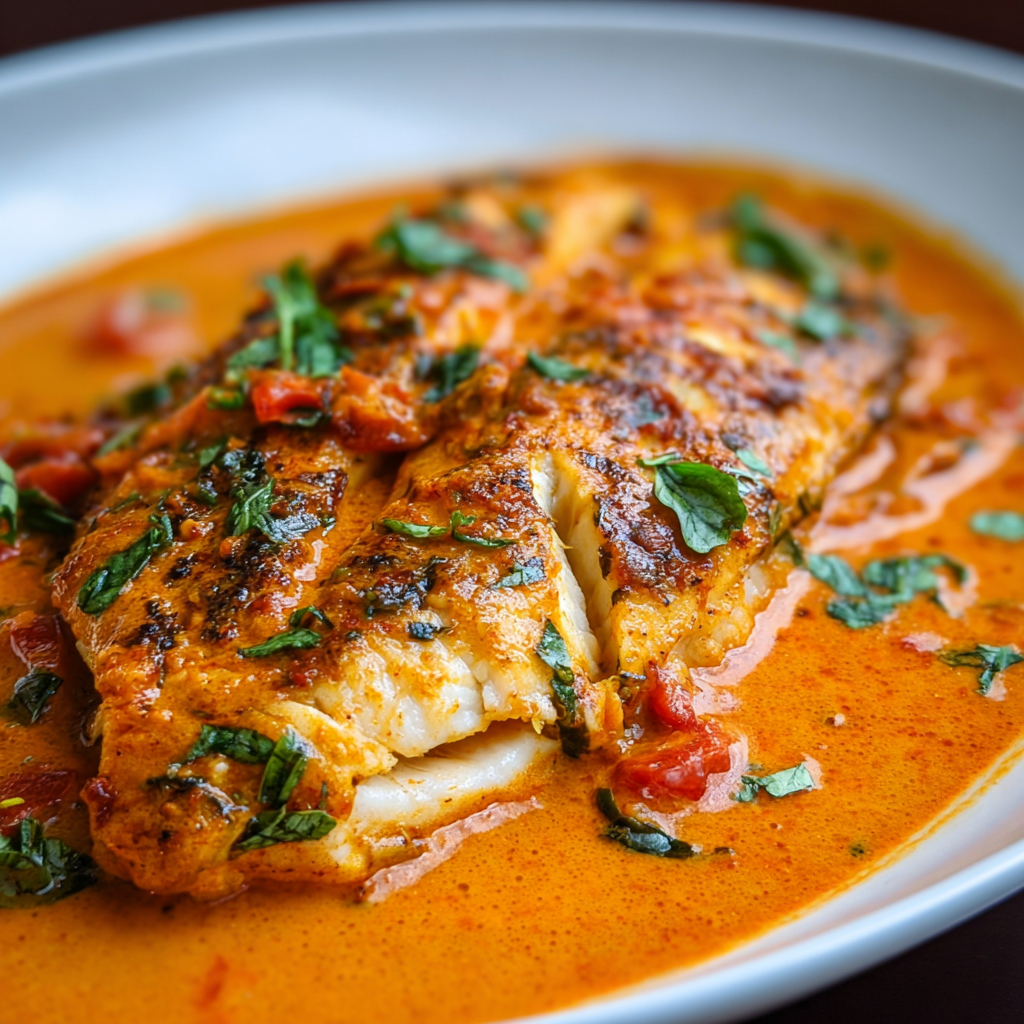
Store leftover fillets and sauce separately for best texture. Refrigerate cooked fish in an airtight container for up to 2 days; gently reheat covered in a 300°F (150°C) oven for 8–10 minutes or warm in a skillet over low heat. The pepper sauce freezes well — spoon into a freezer-safe container, leaving headspace, and thaw overnight in the fridge. Avoid microwaving the fish aggressively, which can dry it out; instead, gently warm the sauce and combine just before serving.
Ingredient Substitutions
If tilapia isn’t available, use basa, cod, haddock, or trout — adjust cooking time for thickness. Swap red peppers for roasted cherry tomatoes and red peppers for a slightly tangier sauce. Replace olive oil with avocado oil for higher smoke point, or use a teaspoon of butter for a richer finish. For a spicier version, add 1/4 teaspoon smoked paprika or a pinch of red pepper flakes when puréeing.
Serving Suggestions
Serve over a bed of lemony couscous, herbed quinoa, or with garlic sautéed greens like spinach or Swiss chard. For a complete plate, add roasted new potatoes or a simple arugula salad tossed with olive oil and lemon. Garnish with chopped parsley, chives, or a few torn basil leaves for color and extra freshness. A crisp white wine or a bright rosé pairs wonderfully with the sweet and acidic sauce.
Cultural Background
Roasted pepper sauces have roots in Mediterranean and Spanish cuisines, where peppers are roasted to concentrate sweetness and combined with garlic and olive oil. This adaptation pairs those flavors with quick-cooking white fish, a combination that highlights fresh produce and light preparation. The technique of roasting vegetables to make a purée is widely used across Southern European cooking and lends itself to seasonal variations.
Seasonal Adaptations
In summer, use the ripest field tomatoes alongside the roasted peppers for a brighter, juicier purée. In cooler months, add a splash of warm vegetable or chicken stock to loosen the sauce and stir in a tablespoon of cream or yogurt for richness. For holiday dinner, double the sauce, roast extra peppers, and serve over baked fillets topped with toasted almond slivers and a drizzle of herb oil.
Meal Prep Tips
Batch roast several peppers and freeze the purée in 1-cup portions for quick weeknight meals. Cook the fish to slightly underdone if you plan to reheat later; finishing in the sauce will bring it to the perfect doneness without drying. Pack fish and sauce separately in meal prep containers, and reheat the sauce gently before combining to maintain texture and flavor.
Final thought: this is one of those effortless dishes that makes weeknight cooking feel celebratory. The roasted pepper sauce elevates even the humblest fillet into something bright, colorful, and full of character — give it a try and make the sauce your new shortcut for tasty, healthy dinners.
Pro Tips
Pat the fillets dry before seasoning to promote a golden sear in the skillet.
Steam roasted peppers in a covered bowl for 5 minutes to loosen skins for easier peeling and a smoother purée.
Use fresh lemon juice for the brightest flavor; bottled lemon juice will taste flat in this sauce.
This nourishing tilapia in roasted pepper sauce recipe is sure to be a staple in your kitchen. Enjoy every moist, high protein slice — it is perfect for breakfast or as a wholesome snack any time.
FAQs about Recipes
Can I make the roasted pepper sauce in advance?
Yes. Roast the peppers ahead and refrigerate the sauce for up to 3 days, or freeze in portions for up to 3 months.
How do I know when the tilapia is cooked?
Use a thermometer to check for 145°F (63°C) internal temperature or cook until the fish is opaque and flakes easily with a fork.
Tags
Tilapia in Roasted Pepper Sauce
This Tilapia in Roasted Pepper Sauce recipe makes perfectly juicy, tender, and flavorful steak every time! Serve with potatoes and a side salad for an unforgettable dinner in under 30 minutes.
Instructions
Preheat and prepare peppers
Preheat oven to 400°F (200°C). Slice peppers, remove seeds, toss with 2 tablespoons olive oil, salt, and pepper, and arrange on a rimmed baking sheet in a single layer.
Roast peppers
Roast for 18–22 minutes until peppers are softened and lightly charred, turning once for even roasting. Steam briefly if you prefer to peel the skins.
Blend sauce
Place roasted peppers, garlic, and 2 tablespoons fresh lemon juice in a blender and purée until smooth. Thin with a teaspoon of water or olive oil if needed and season to taste.
Cook tilapia
Heat a skillet over medium heat with a light coating of oil. Pat fillets dry, season, and cook 3–4 minutes per side until golden and flaky.
Finish & serve
Lower heat, spoon the pepper purée over the fillets, warm for 30–60 seconds, and serve immediately with lemon wedges or fresh herbs.
Last Step: Please leave a rating and comment letting us know how you liked this recipe! This helps our business to thrive and continue providing free, high-quality recipes for you.
Nutrition
Did You Make This?
Leave a comment & rating below or tag
@solushcooks on social media!
Categories:
You might also like...
Spaghetti Squash Mac & Cheese
A lighter take on a classic comfort favorite that swaps pasta for roasted spaghetti squash and keeps all the creamy, cheesy goodness with optional broccoli or chicken for extra heartiness.
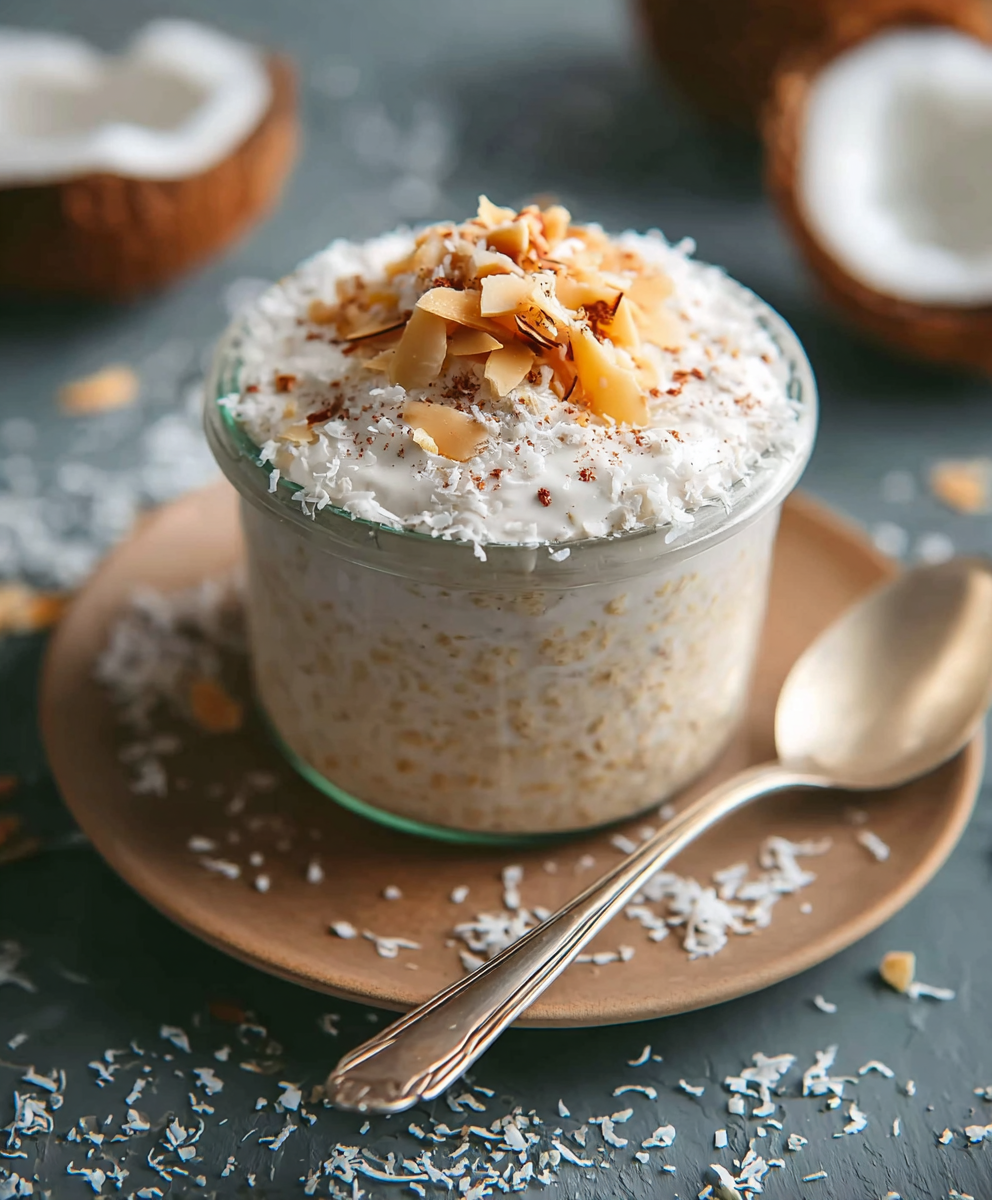
Coconut Cream Pie Overnight Oats
A dreamy no-cook breakfast that tastes like coconut cream pie — creamy coconut milk, tangy Greek yogurt, shredded coconut, and optional banana make mornings feel indulgent and effortless.
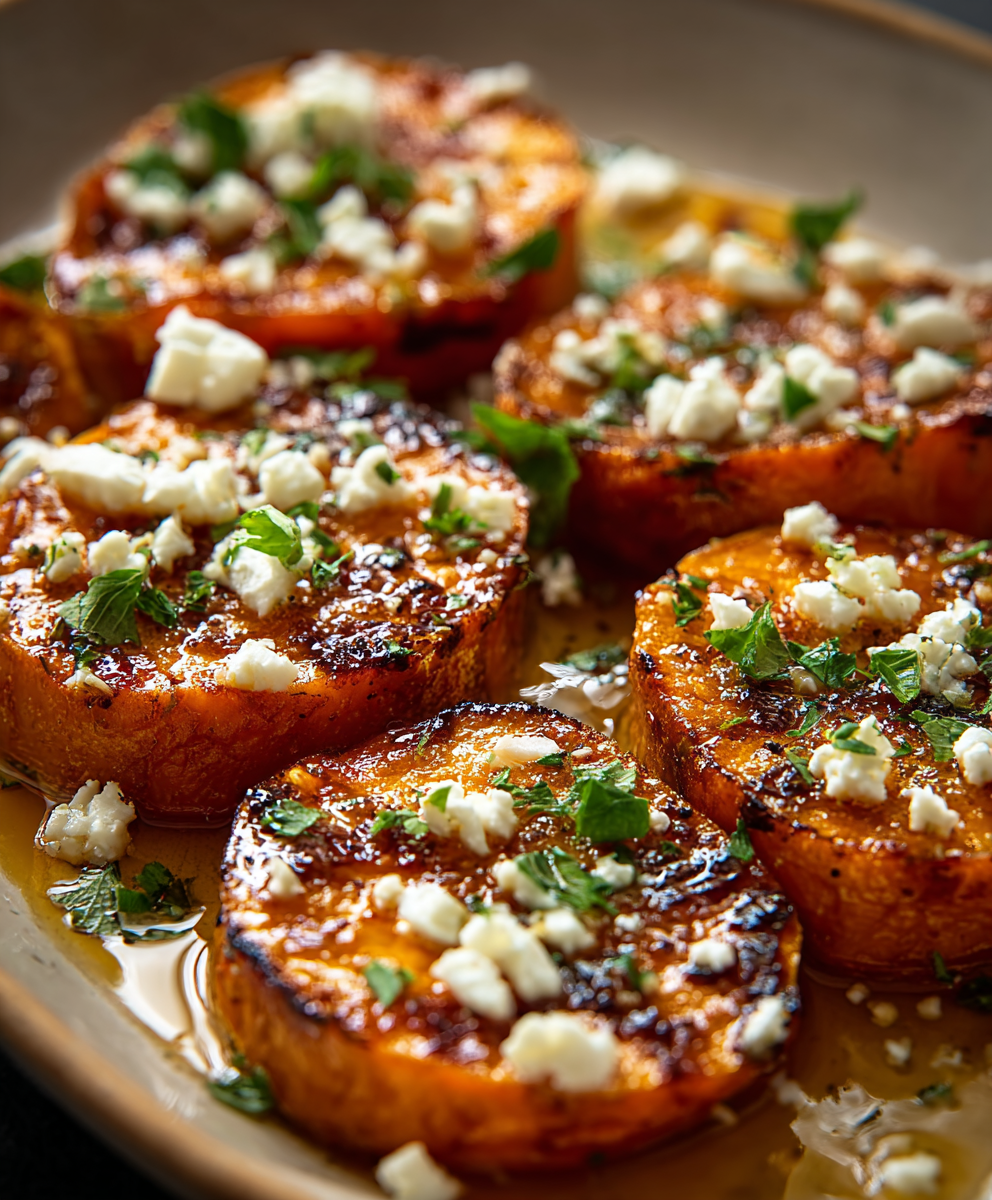
Roasted Sweet Potato Rounds with Honey & Feta
Crisp-edged sweet potato rounds roasted until tender, finished with salty feta, a drizzle of honey, and fresh parsley—an effortless crowd-pleaser for gatherings or weeknights.
Did You Make This?
Leave a comment & rating below or tag @solushcooks on social media!
Rate This Recipe
Share This Recipe
Enjoyed this recipe? Share it with friends and family, and don't forget to leave a review!
Comments (1)
This recipe looks amazing! Can't wait to try it.
Comments are stored locally in your browser. Server comments are displayed alongside your local comments.

Hi, I'm Lena!
What's Popular

30-Minute Meals!
Join to receive our email series which contains a round-up of some of our quick and easy family favorite recipes.