
>>

Soft, pillowy Turkish-style flatbreads cooked on the stovetop — no oven required. Ready with simple pantry ingredients and a skillet in under 90 minutes.
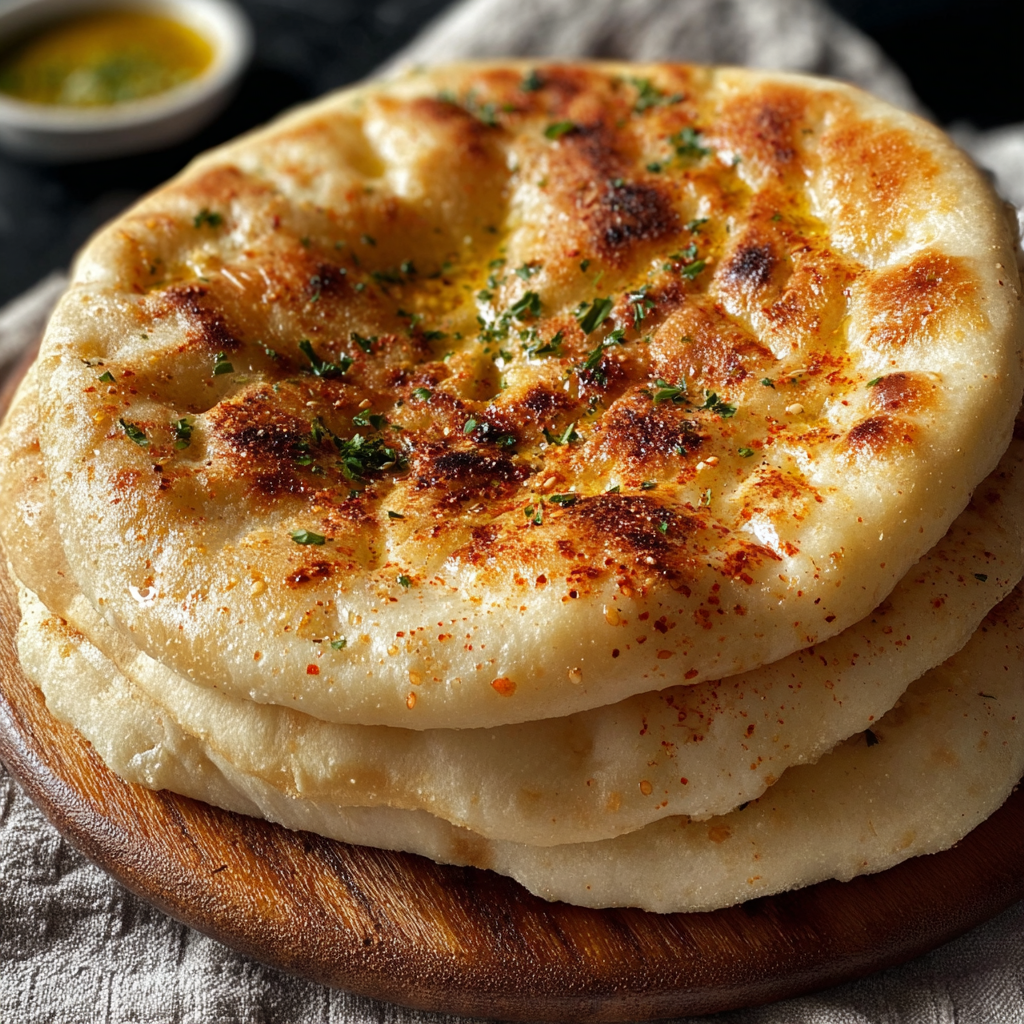
This simple Turkish-style flatbread has been a weekday favorite in our house for years. I first learned to make it on a rainy afternoon when the oven was in use and I needed fresh bread for a soup I was serving. The technique of cooking dough on a hot pan produces a bread with a tender interior and slightly blistered, golden exterior — all without an oven. The breads puff, bubble, and sometimes pop into balloon-like pockets that make tearing them open for sandwiches a small, joyous ritual. The texture is a soft chew with the satisfying irregular air pockets you want from good flatbread.
I discovered that using warm milk with warm water gives the dough extra tenderness and a softer crumb than water alone, and that a heavy-bottomed skillet creates the quick burst of heat the dough needs to puff. These rounds are great as a vehicle for dips, stuffed with grilled vegetables and cheese, or served alongside a hearty stew. Once you master the feel of the dough, you can have a batch on the table in well under 90 minutes from start to finish — including the time needed for the dough to double.
I remember serving these to friends who had never had fresh homemade bread without an oven — they were surprised at how soft and airy the rounds were. My partner likes them brushed with a little melted butter and scattered with parsley, while my teenager prefers to spread tahini and honey. This recipe has become our go-to for casual dinners and impromptu guests because it’s fast, forgiving, and genuinely comforting.
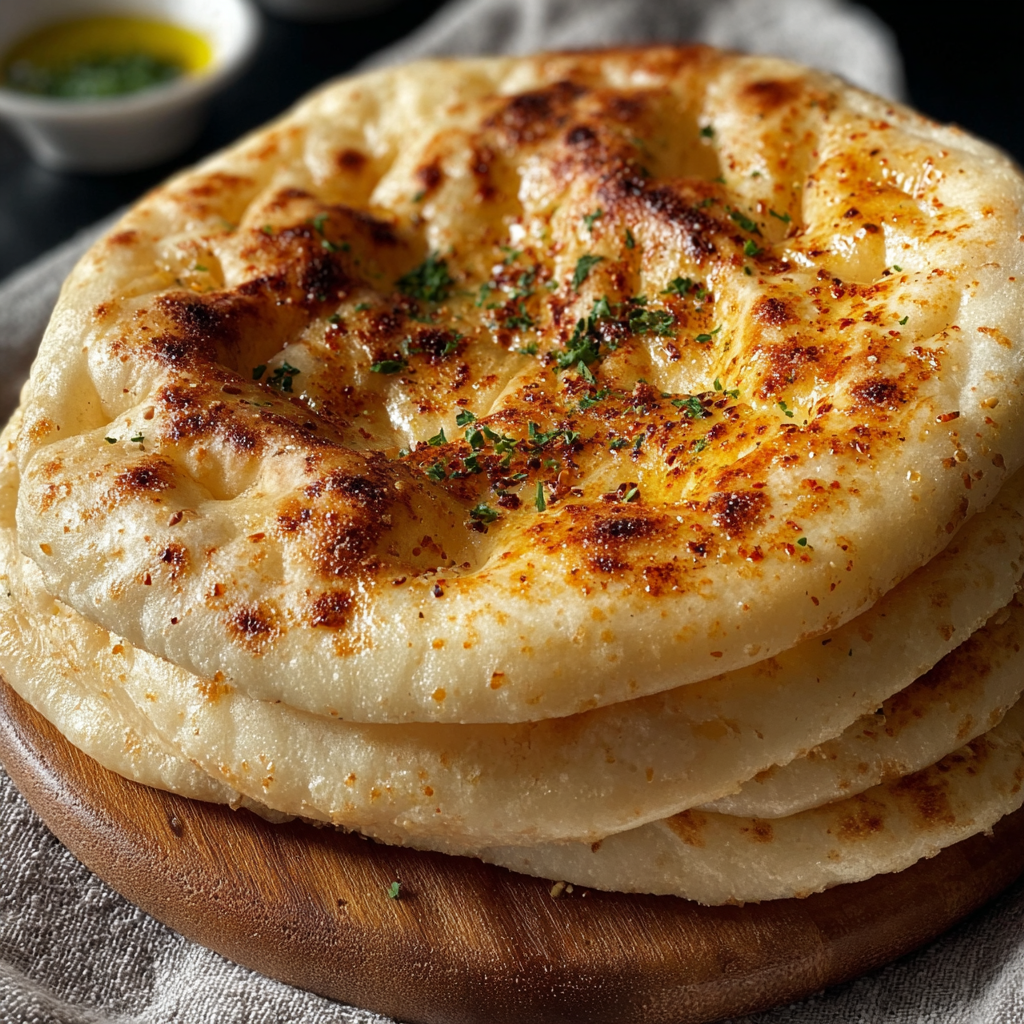
My favorite thing about this method is how the breads transform during cooking: those first bubbles that form tell you you’ve got steam trapped in the dough and that the crumb will be airy and pleasant. Family members have made a ritual of watching the bread puff, and we’ll often pause mid-meal to laugh when one pops spectacularly. The simplicity of ingredients and the immediacy of stovetop cooking make these rounds a dependable comfort food.
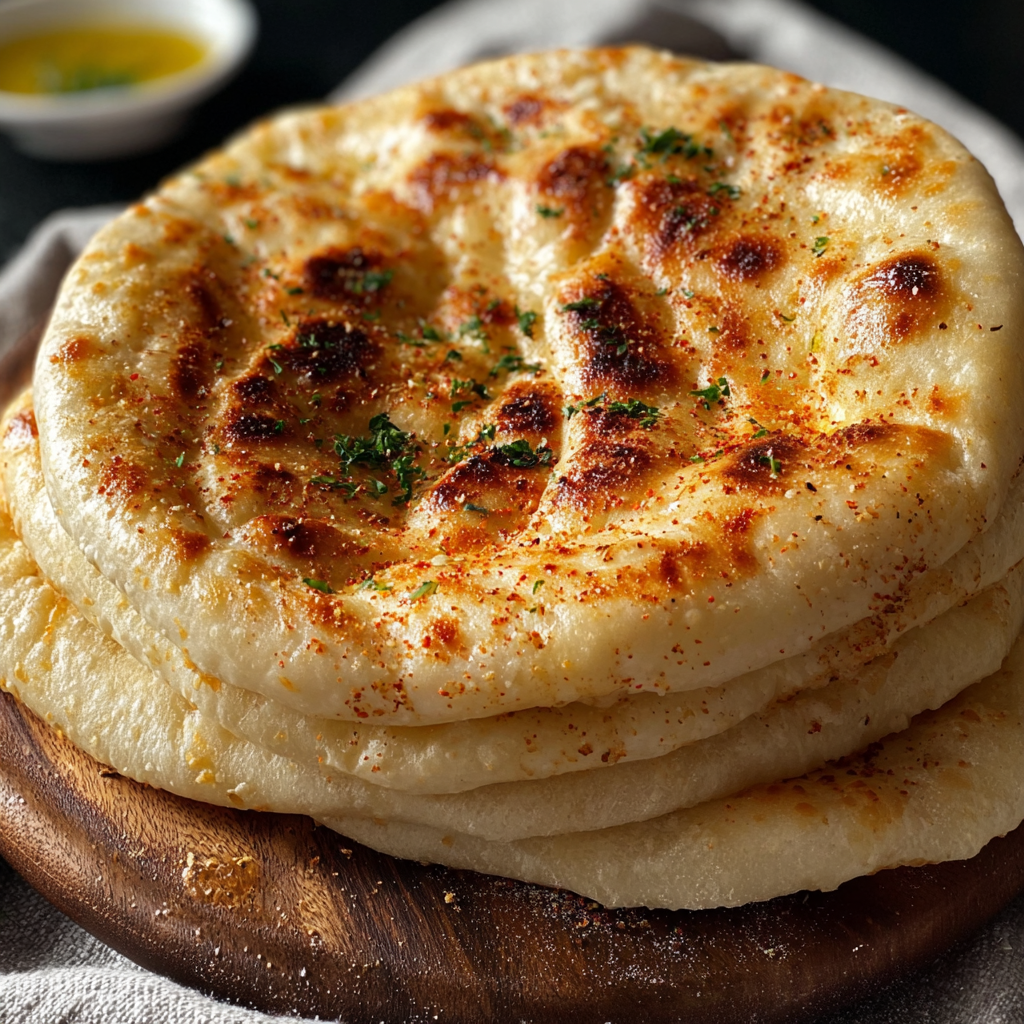
Store cooled breads at room temperature wrapped in a clean kitchen towel or in a bread box for up to 2 days to keep them soft. For longer storage, place parchment between each round and freeze in an airtight bag for up to 3 months. To reheat, warm in a hot skillet for 30–60 seconds per side or steam briefly under a lid to restore softness. Avoid microwaving for long periods; it makes bread gummy. If you plan to freeze, brush lightly with oil before stacking to prevent sticking and maintain an inviting sheen after reheating.
Whole wheat flour can be used for half the flour amount to add nuttiness and fiber; replace up to 50% without major changes, but expect a denser crumb and slightly more water absorption. For dairy-free versions, substitute plant-based milks in equal volume and finish with olive oil. If you only have active dry yeast, dissolve it in the warm liquids and wait 5–10 minutes until foamy before mixing. For a richer flavor replace 1/4 cup of water with yogurt or use 2 tablespoons olive oil in the dough for a silkier texture.
Serve warm with labneh and olive oil, use as a wrap for grilled meats and vegetables, or tear and dip into a hearty stew. For breakfast try filling with scrambled eggs, feta and herbs, or slice open to make a pocket sandwich with roasted red peppers and hummus. Garnish with chopped parsley, za’atar, sesame seeds, or nigella seeds for an aromatic finish. These rounds are also excellent alongside soups, roasted eggplant salads, or as an impromptu pizza base when finished under a broiler briefly.
Flatbreads are a cornerstone of Turkish and wider Middle Eastern cuisines, with regional variations that include yufka, lavash and bazlama. The approach here is similar to bazlama — a yeasted, pan-cooked round — traditionally made on a sacgriddle or over a wood-fired surface. These breads were originally crafted for quick cooking on domestic griddles, making them an everyday staple for scooping sauces and wrapping simple fillings. The magic is in steam and heat: quickly sealing moisture into the dough creates those characteristic pockets.
In spring and summer, fold chopped mint or dill into the dough for a fresh lift and serve with cooling cucumber-yoghurt salads. In autumn, add roasted garlic or pumpkin purée for extra flavor and moisture; reduce water slightly if adding purees. For winter gatherings, increase butter finishing and sprinkle with warm spices like smoked paprika for cozy richness. The dough tolerates small additions of grated cheese or herbs, but keep additions modest so the bread can still puff.
Make the dough the night before and refrigerate after the initial mix; it will slowly proof and develop more flavor. In the morning, bring to room temperature, divide, rest 10 minutes and cook. Cooked rounds freeze beautifully — layer them between parchment and pull out only what you need. For quick lunches, spread with a flavored hummus, add roasted vegetables and greens, and roll into a portable wrap. Use a small cooler with insulated containers to keep them fresh when packed for picnics or workdays.
These stovetop rounds are simple, adaptable and a small daily pleasure. Whether you tuck them into a weeknight sandwich or serve them as part of a leisurely weekend spread, they invite sharing and experimentation. Try them once and you’ll be surprised how often you reach for this easy, handmade bread.
Use a heavy-bottomed skillet (cast iron preferred) for even heat and better puffing.
Keep liquids lukewarm (about 100–110°F) to activate the yeast without killing it.
Let dough rest 10 minutes after dividing so gluten relaxes and rolling becomes easier.
If breads puff too quickly then collapse, reduce the heat slightly and cover briefly to finish cooking.
For a softer crumb, replace 1/4 cup water with yogurt or an extra tablespoon of milk.
This nourishing stovetop turkish flatbread (no oven needed) recipe is sure to be a staple in your kitchen. Enjoy every moist, high protein slice — it is perfect for breakfast or as a wholesome snack any time.
This Stovetop Turkish Flatbread (No Oven Needed) recipe makes perfectly juicy, tender, and flavorful steak every time! Serve with potatoes and a side salad for an unforgettable dinner in under 30 minutes.
Combine warm milk, warm water, sugar and instant yeast. Stir and rest 3–5 minutes until foamy to confirm yeast is active.
Add flour and salt, mix until shaggy, then knead 6–8 minutes until smooth and slightly springy. The dough should be tacky but not sticky.
Place dough in an oiled bowl, cover and proof in a warm place until doubled, about 60 minutes.
Divide into 6 equal pieces, shape into rounds, cover and rest 10 minutes to relax gluten.
Press or roll each piece into an 7-inch (18 cm) round about 1/8-inch (5 mm) thick. Keep centers slightly puffy for lift.
Heat a heavy skillet over medium heat for several minutes until evenly hot; a thick pan ensures better rising.
Cook each round in the dry skillet. When bubbles form, flip. If a bread balloons, reduce heat to low and cover briefly with a cloth to finish.
Brush warm breads with melted butter or olive oil and sprinkle with parsley. Serve immediately or store cooled in a towel.
Last Step: Please leave a rating and comment letting us know how you liked this recipe! This helps our business to thrive and continue providing free, high-quality recipes for you.
Leave a comment & rating below or tag
@solushcooks on social media!

A lighter take on a classic comfort favorite that swaps pasta for roasted spaghetti squash and keeps all the creamy, cheesy goodness with optional broccoli or chicken for extra heartiness.
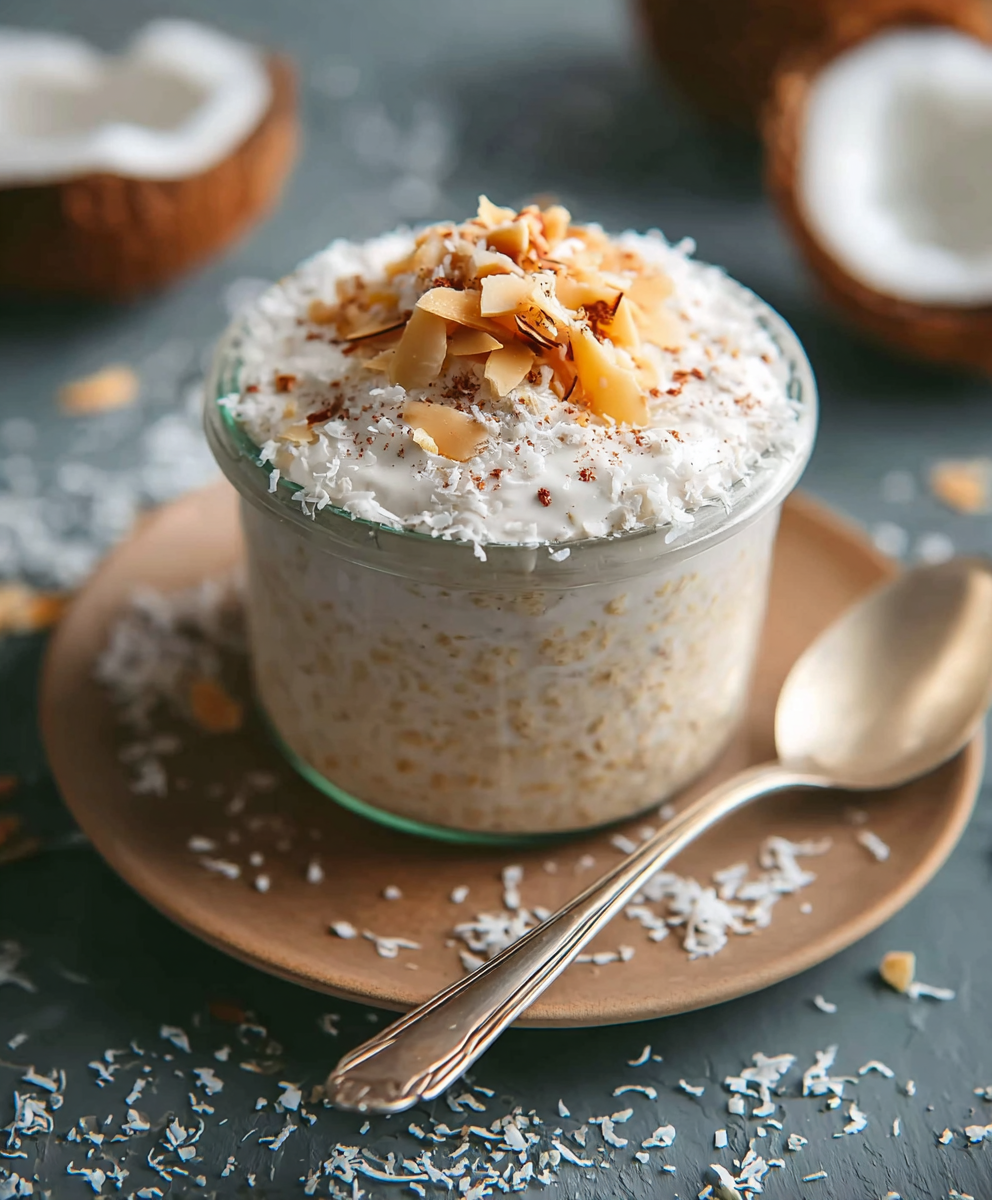
A dreamy no-cook breakfast that tastes like coconut cream pie — creamy coconut milk, tangy Greek yogurt, shredded coconut, and optional banana make mornings feel indulgent and effortless.
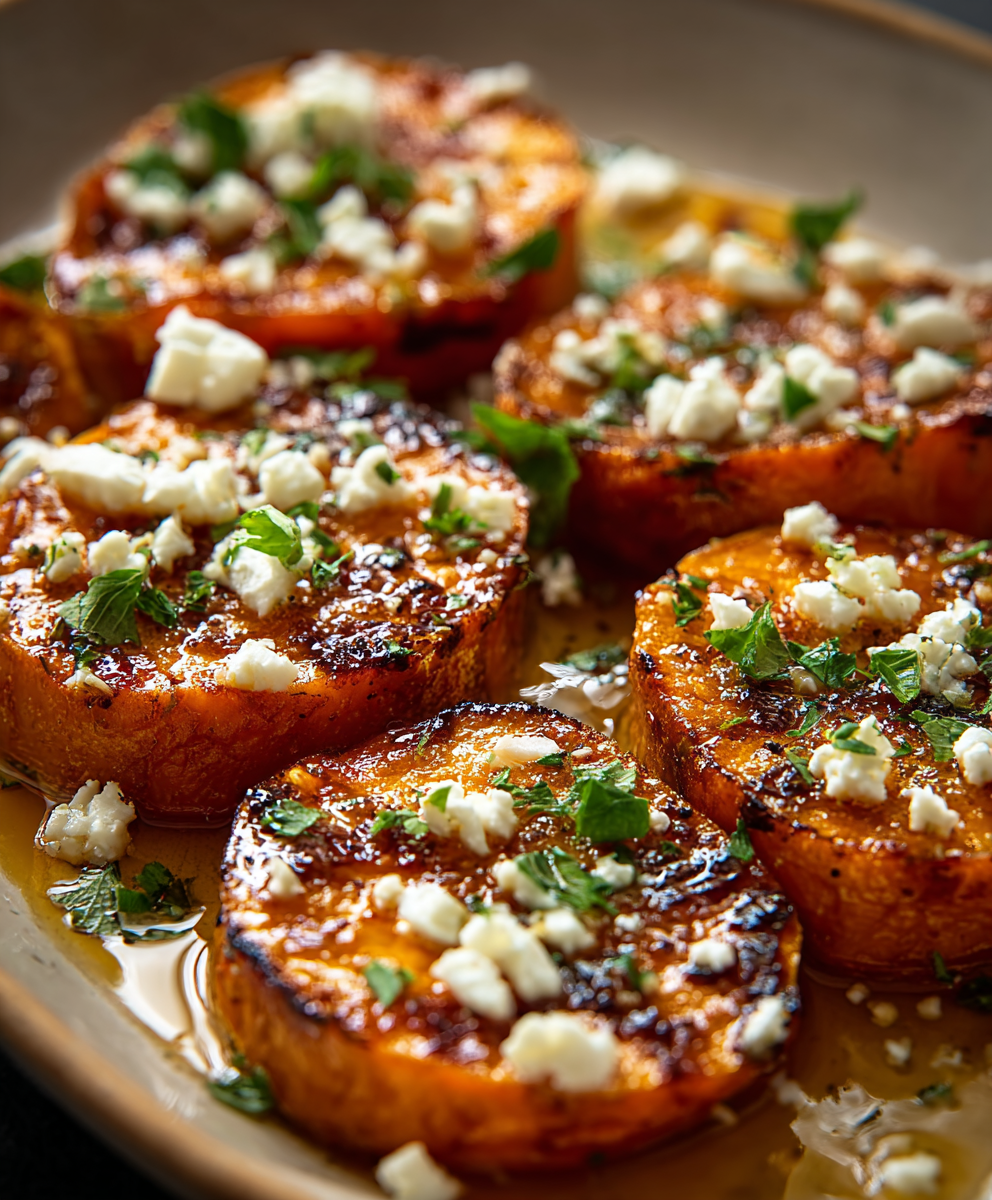
Crisp-edged sweet potato rounds roasted until tender, finished with salty feta, a drizzle of honey, and fresh parsley—an effortless crowd-pleaser for gatherings or weeknights.
Leave a comment & rating below or tag @solushcooks on social media!
Enjoyed this recipe? Share it with friends and family, and don't forget to leave a review!
This recipe looks amazing! Can't wait to try it.
Comments are stored locally in your browser. Server comments are displayed alongside your local comments.

Join to receive our email series which contains a round-up of some of our quick and easy family favorite recipes.