

30-MINUTE MEALS! Get the email series now
solush cooks

Slow Cooker Korean Beef

5 from 1 vote
1 Comments
Lena Bakes
By: Lena BakesUpdated: Dec 11, 2025
This post may contain affiliate links. Please read our disclosure policy.

Rich, sticky shredded beef simmered in a sweet-spicy Korean-style sauce — set it, forget it, and come back to dinner ready.
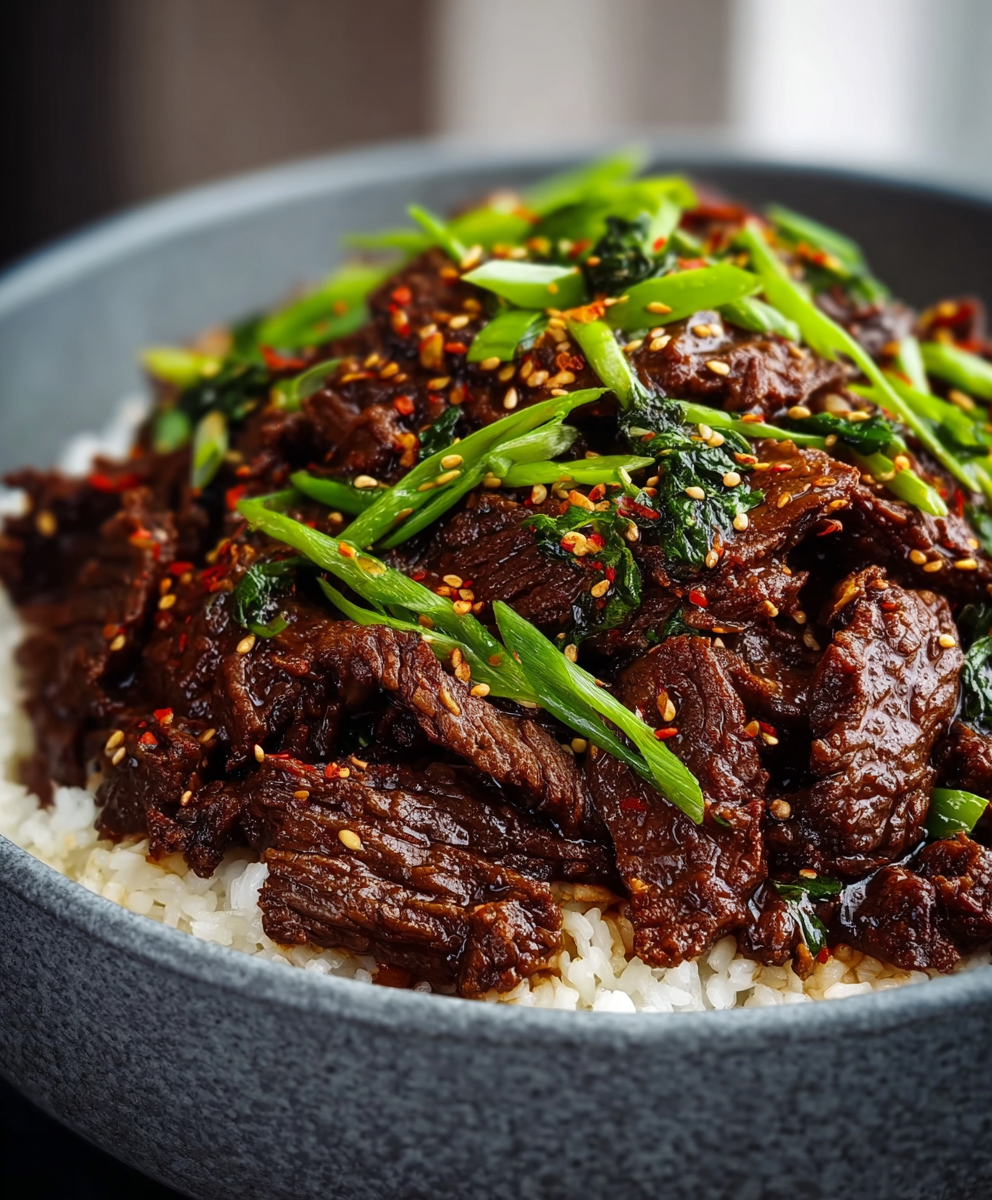
Slow Cooker Korean Beef
This slow cooker Korean beef has been a weeknight lifesaver in my kitchen for years. I first put this combination together on a frantic Monday evening when I had a frozen roast and minimal time; the flavors developed while it cooked low and slow and surprised me with a depth I didn't expect from so few ingredients. The sauce is balanced — salty from soy, sweet from brown sugar, savory from beef broth, and smoky-spicy from gochujang — and the chuck roast falls apart into tender ribbons that soak it all up. It’s the kind of dish that arrives at the table warm and fragrant and instantly brings everyone together. What makes this preparation special is the contrast of textures and the ease of execution. The long braise breaks down the connective tissue in the chuck, turning an economical cut into something luxurious. The sauce is glossy and clings to the meat, and bright notes from rice vinegar and green onion keep it from feeling heavy. I discovered this version when adapting a favorite Korean takeout bowl for home, and now it’s my go-to when I need comfort food that’s low-effort but high-impact. Leftovers reheat beautifully and make fantastic tacos, rice bowls, and sandwiches — my kids declared it better than takeout the first time they tried it.

Why You'll Love This Recipe

  • Totally hands-off cooking: toss the roast and sauce into a slow cooker and walk away — perfect for busy days and meal-prep weekends.
  • Uses pantry staples like soy sauce, brown sugar, garlic, and gochujang so you can pull it together without a special grocery run.
  • Feeds a crowd: 2 pounds of chuck roast yields about 6 hearty servings or can be stretched across more meals when served over rice or noodles.
  • Make-ahead friendly: it keeps well in the refrigerator for 3–4 days and freezes cleanly for up to 3 months, making weekday meals effortless.
  • Customizable heat and thickness: add more or less gochujang for spice, and optionally thicken the sauce with a cornstarch slurry for a sticky finish.
  • Family-approved: tender, savory meat with an approachable sweetness and mild heat that converts picky eaters into fans.

I first served this on a chilly night to a visiting friend who kept going back for more, and it’s become the dish people request when they come over. There’s something comforting about the smell of garlic and brown sugar slowly simmering; it became part of a ritual where we’d plan sides and pour wine while the slow cooker did the rest.
Ingredients

  • Beef (2 lb chuck roast): Look for a well-marbled chuck roast; the fat renders during long cooking and yields tender, flavorful shreds. Choose USDA Choice if available for consistent tenderness. Trim only excess silver skin, leaving some fat for richness.
  • Soy sauce (1/2 cup): Regular or low-sodium works — low-sodium gives you more control over salt. For gluten-free, substitute tamari (same volume) and note the flavor will be slightly deeper.
  • Beef broth (1/2 cup): Use a good-quality low-sodium broth or homemade stock for a clean beefy base; it contributes gelatin and mouthfeel to the finished sauce.
  • Brown sugar (1/3 cup): Light or dark brown sugar both work; dark will lend a deeper molasses note. This sweet element balances the heat from gochujang.
  • Sesame oil (2 tbsp): Toasted sesame oil adds a toasty aroma — a little goes a long way, so don’t substitute with vegetable oil.
  • Garlic (4 cloves, minced): Fresh garlic is essential for brightness; about 4 cloves give an aromatic kick without overpowering the sauce.
  • Ginger (1 tbsp, grated): Fresh ginger adds lift and a touch of warmth; pre-ground ginger lacks the bright pungency of fresh.
  • Rice vinegar (2 tbsp): Brings acidity to balance sweetness and fat. If you don’t have rice vinegar, use apple cider vinegar at a slightly reduced amount.
  • Gochujang (2 tbsp): Korean chili paste provides mild heat and umami; adjust quantity to taste. If unavailable, use a blend of chili paste and a touch of miso for depth.
  • Cornstarch (1 tbsp, optional): For thickening: mix with 2 tablespoons water into a slurry and stir into the hot sauce for a glossy finish.
  • Garnish: 2 green onions, sliced and sesame seeds optional — both add freshness and crunch to the finished dish.

Instructions

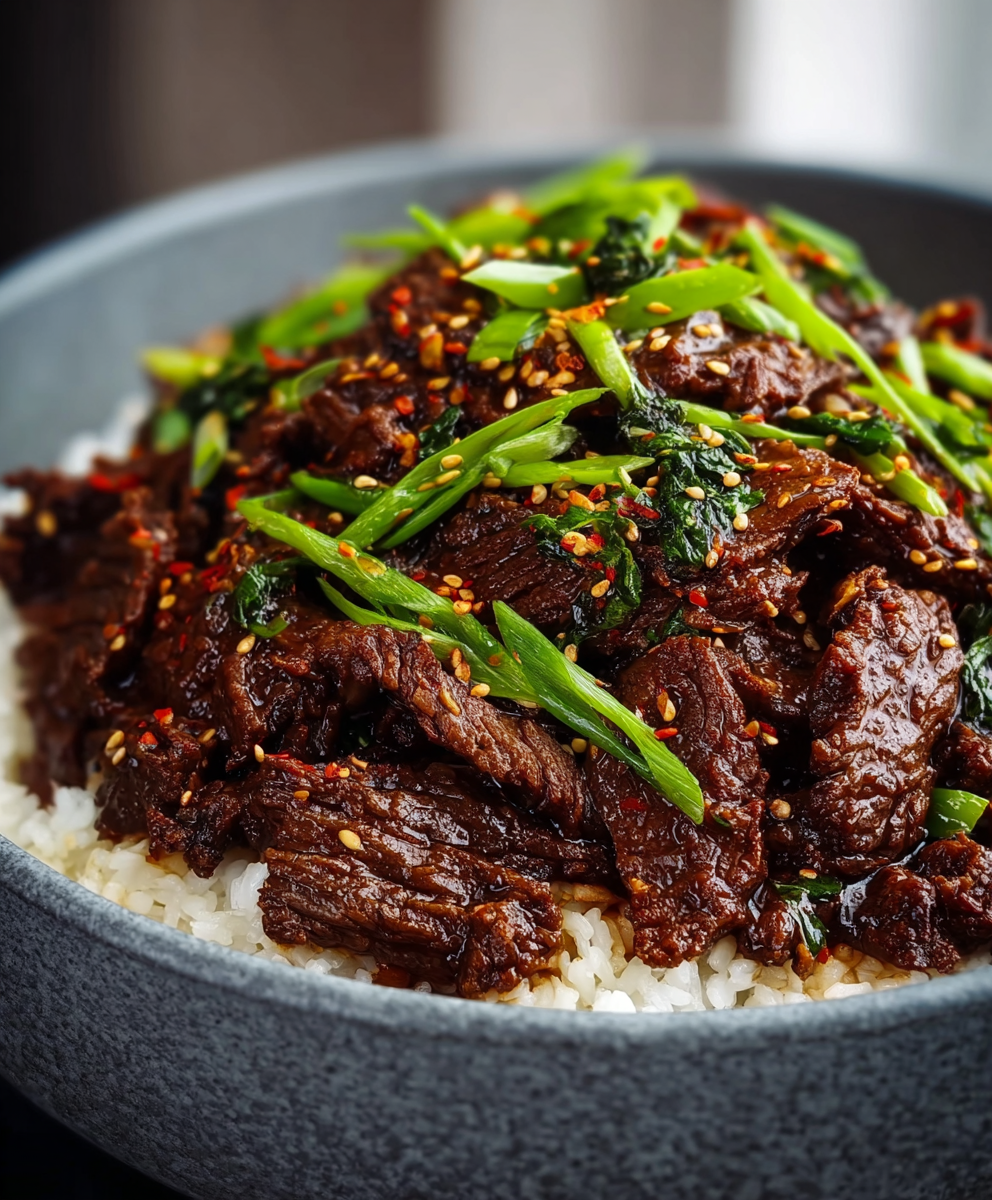
Prepare the roast: Trim any large pieces of excess fat and pat the roast dry with paper towels so the sauce adheres better. You can sear the roast for 3–4 minutes per side in a hot skillet with a tablespoon of neutral oil if you want extra browned flavor, but this is optional when using a slow cooker. Searing adds 5–10 minutes to prep but develops richer caramelized notes. Make the sauce: In a medium bowl, whisk together 1/2 cup soy sauce, 1/2 cup beef broth, 1/3 cup brown sugar, 2 tablespoons sesame oil, 4 minced garlic cloves, 1 tablespoon grated ginger, 2 tablespoons rice vinegar, and 2 tablespoons gochujang until smooth. Taste for balance — it should be salty-sweet with a gentle heat. Adjust sugar or gochujang in small increments. Cook low and slow: Place the roast in the slow cooker and pour the sauce over top, turning the roast to coat. Cook on LOW for 7–8 hours or on HIGH for 4–5 hours. The roast is done when it pulls apart easily with two forks and registers at least 195°F when checked in the thickest part. Shred and finish: Remove the roast to a cutting board, shred with two forks into bite-sized pieces, and return to the slow cooker. If you prefer a thicker sauce, mix 1 tablespoon cornstarch with 2 tablespoons cold water to make a slurry, stir it into the slow cooker, and cook on HIGH for another 10 minutes until the sauce thickens and becomes glossy. Garnish and serve: Stir in sliced green onions and sprinkle with toasted sesame seeds if using. Serve over steamed rice, in tacos with slaw, or alongside stir-fried vegetables. User provided content image 1

You Must Know

  • This keeps in the refrigerator for 3–4 days in an airtight container and freezes well for up to 3 months; thaw overnight in the fridge before reheating.
  • Leftovers concentrate in flavor; reheat gently over medium-low heat with a splash of broth to loosen the sauce and preserve moisture.
  • High in protein and iron thanks to the beef; the dish contains gluten from soy sauce unless tamari is used.
  • For thick sticky sauce, use the optional cornstarch slurry — add it only at the end of cooking to avoid gummy textures.

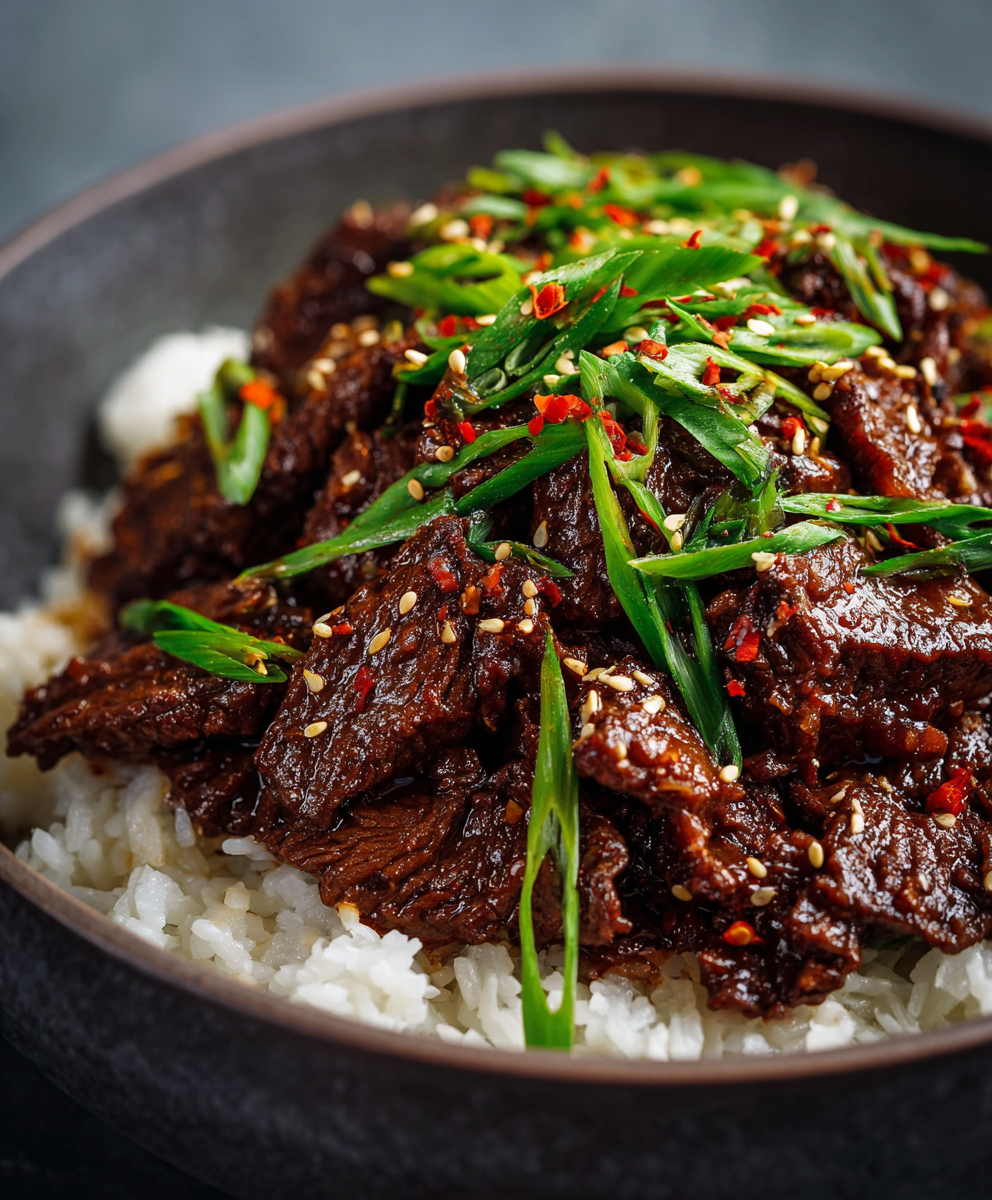
My favorite part is how versatile the shredded beef becomes: one night we had it on rice bowls with quick-pickled cucumber, the next day I shredded more and made sliders that disappeared in minutes. The family always asks for extra green onions and a squeeze of lime for brightness — small finishing touches that elevate the plate.
User provided content image 2

Storage Tips

Cool the beef to room temperature for no more than two hours, then transfer to airtight containers. Refrigerate for up to 3–4 days; freeze in portioned freezer bags or containers for up to 3 months to avoid freezer burn. Label containers with the date and portion size. To reheat from frozen, thaw overnight in the refrigerator and reheat gently in a saucepan over low heat, adding a tablespoon or two of water or broth if needed. For microwave reheating, cover loosely and heat in 60–90 second bursts, stirring between intervals to ensure even warming.

Ingredient Substitutions

If you need a gluten-free version, swap regular soy sauce for equal parts tamari. For a lower-sugar option, reduce the brown sugar to 2 tablespoons and add a tablespoon of maple syrup or honey only if needed; expect a slightly less glossy sauce. If gochujang is unavailable, mix 1 tablespoon Korean chili flakes (gochugaru) with 1 tablespoon miso paste and 1 teaspoon soy sauce as a substitute — it won't be identical but will add fermented depth and heat. For a leaner cut, use chuck trimmed of most fat or replace with 2 lb brisket, adjusting cooking time as necessary.

Serving Suggestions

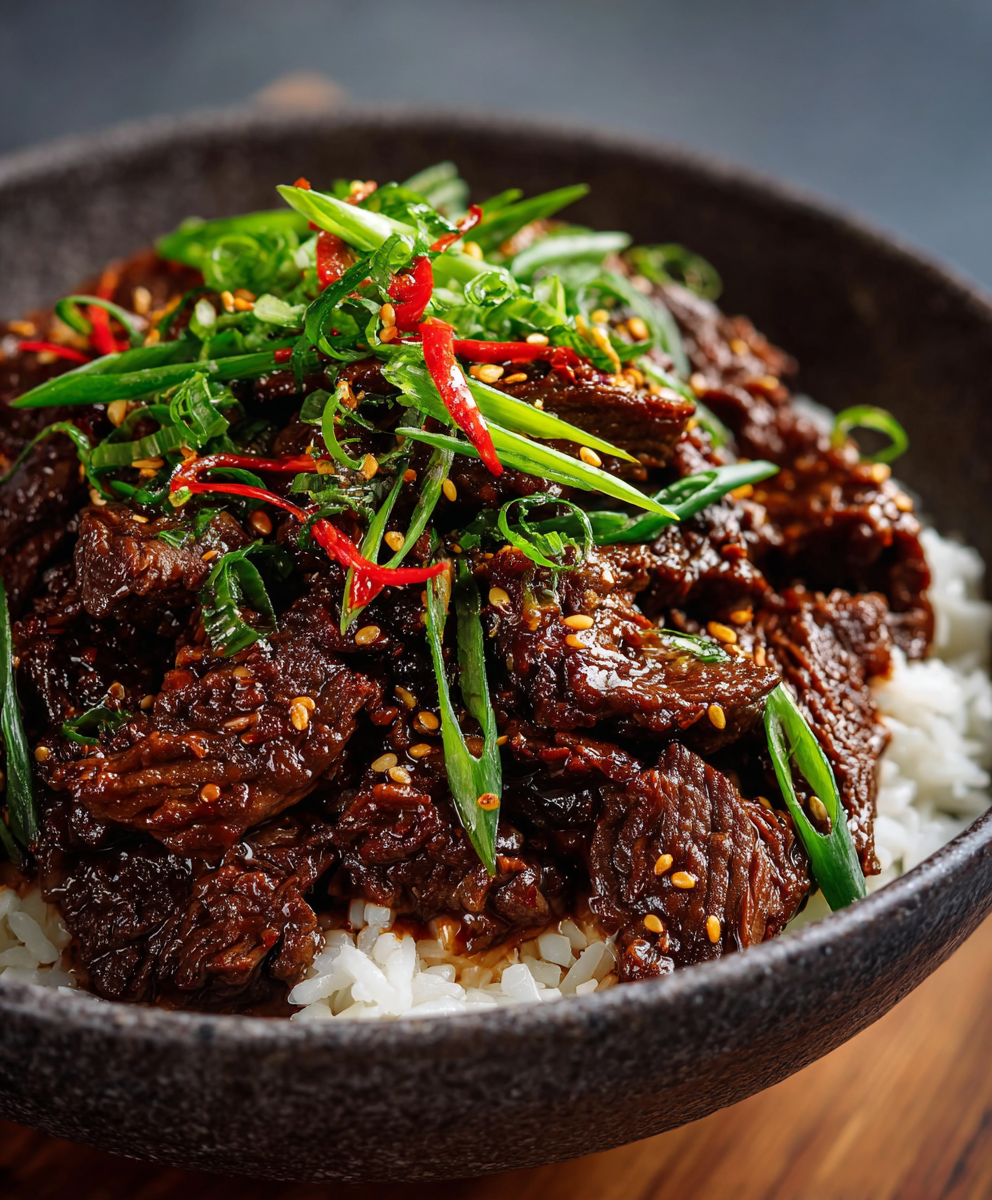
Serve the shredded beef over steamed short-grain rice or jasmine rice for a classic bowl. For a lighter option, plate it with cauliflower rice or a crisp green salad. It also makes excellent tacos — spoon the beef into warmed tortillas and top with quick-pickled carrots, sliced radish, and cilantro. Garnish ideas include sliced green onion, toasted sesame seeds, and a drizzle of sesame oil or sriracha for extra heat. Pair with kimchi, roasted broccoli, or a simple cucumber salad to add brightness and texture.
User provided content image 3

Cultural Background

This preparation is inspired by Korean braising techniques and the flavors commonly found in Korean home cooking: fermented heat (gochujang), savory soy, and aromatics like garlic and ginger. While not a traditional Korean dish in a strict sense, it borrows elements used in bulgogi and other braised beef dishes. Gochujang, a staple in Korean kitchens, brings complex umami and a fermented sweetness that transforms simple braises into something distinctly Korean-American — a blending of pantry-friendly convenience with authentic flavor components.

Seasonal Adaptations

In colder months, keep the original recipe for its warming, hearty nature. In spring and summer, lighten the meal by serving the beef cold over crisp salad greens with a sesame-ginger dressing. Swap rice vinegar for a splash of lime in summer to add fresh acidity, and pair with grilled seasonal vegetables. For holiday gatherings, double the recipe and serve as part of a buffet with pickled vegetables, steamed greens, and warm rolls for guests to help themselves.

Meal Prep Tips

Make a double batch and freeze in meal-sized portions for easy weeknight dinners. Portion into single-serving containers with rice or steamed vegetables for grab-and-go lunches. Store garnishes separately so green onions and sesame seeds stay fresh. If planning meals for the week, keep sauce thicker by freezing without the cornstarch; thicken only after reheating for the best texture. Use shallow containers for faster cooling before refrigerating.

This low-effort, high-reward beef has become a staple at my table — adaptable, crowd-pleasing, and infinitely comfort-giving. Whether you’re feeding family on a busy weeknight or prepping meals ahead, it delivers big flavor with minimal fuss. Try it once and you’ll find new ways to serve it every week.

Pro Tips

  • Sear the roast first for deeper flavor, but it’s optional — the slow cooker still yields tender meat without searing.

  • If sauce tastes too salty after cooking, balance with a teaspoon of brown sugar or a splash more rice vinegar.

  • Use tamari to make the dish gluten-free and swap brown sugar for coconut sugar for a slightly different sweetness.

  • Shred the meat with two forks while it’s hot for the best texture and sauce absorption.

This nourishing slow cooker korean beef recipe is sure to be a staple in your kitchen. Enjoy every moist, high protein slice — it is perfect for breakfast or as a wholesome snack any time.

Tags

Quick DinnersSlow CookerKoreanBeefDinnerRecipeGochujangWeeknight
No ratings yet

Slow Cooker Korean Beef

This Slow Cooker Korean Beef recipe makes perfectly juicy, tender, and flavorful steak every time! Serve with potatoes and a side salad for an unforgettable dinner in under 30 minutes.

Servings: 6 steaks
Slow Cooker Korean Beef
Prep:15 minutes
Cook:7 hours
Rest Time:10 mins
Total:7 hours 15 minutes

Ingredients

Beef

Sauce

Finish & Garnish

Instructions

1

Prepare the roast

Trim excess fat, pat dry, and optionally sear the roast 3–4 minutes per side in a hot skillet to develop color.

2

Make the sauce

Whisk soy sauce, beef broth, brown sugar, sesame oil, garlic, ginger, rice vinegar, and gochujang until smooth. Taste and adjust balance.

3

Cook in slow cooker

Place the roast in the slow cooker, pour the sauce over it, and cook on LOW for 7–8 hours or HIGH for 4–5 hours, until meat pulls apart easily.

4

Shred and thicken (optional)

Remove roast, shred with two forks, return to the cooker. If desired, stir in a cornstarch slurry (1 tbsp cornstarch mixed with 2 tbsp water) and cook 10 minutes to thicken.

5

Garnish and serve

Stir in sliced green onions, sprinkle sesame seeds, and serve over rice, in tacos, or with steamed vegetables.

Last Step: Please leave a rating and comment letting us know how you liked this recipe! This helps our business to thrive and continue providing free, high-quality recipes for you.

Nutrition

Calories: 425kcal | Carbohydrates: 12g | Protein:
38g | Fat: 28g | Saturated Fat: 8g |
Polyunsaturated Fat: 6g | Monounsaturated Fat:
11g | Trans Fat: 1g | Cholesterol: 253mg | Sodium:
0mg | Potassium: 953mg | Fiber: 0g | Sugar:
0g | Vitamin A: 577IU | Vitamin C: 3mg | Calcium:
47mg | Iron: 6mg

Did You Make This?

Leave a comment & rating below or tag
@solushcooks on social media!
Slow Cooker Korean Beef

Categories:

Slow Cooker Korean Beef

Did You Make This?

Leave a comment & rating below or tag @solushcooks on social media!

Rate This Recipe

Share This Recipe

Enjoyed this recipe? Share it with friends and family, and don't forget to leave a review!

Comments (1)

Leave a Comment

0/1000 characters
Food Lover
1 day ago

This recipe looks amazing! Can't wait to try it.

Rating:

Comments are stored locally in your browser. Server comments are displayed alongside your local comments.

Family Photo

Hi, I'm Lena!

Chef and recipe creator specializing in delicious Quick Dinners cooking. Passionate about sharing easy-to-follow recipes that bring families together around the dinner table.

Get My 30-Minute Meals email series!

Quick and easy dinner ideas delivered to your inbox.