>>

Soft, chewy sugar cookies with a tender center and crisped edges. Simple ingredients, quick method, and perfect for rolling in sugar or decorating.
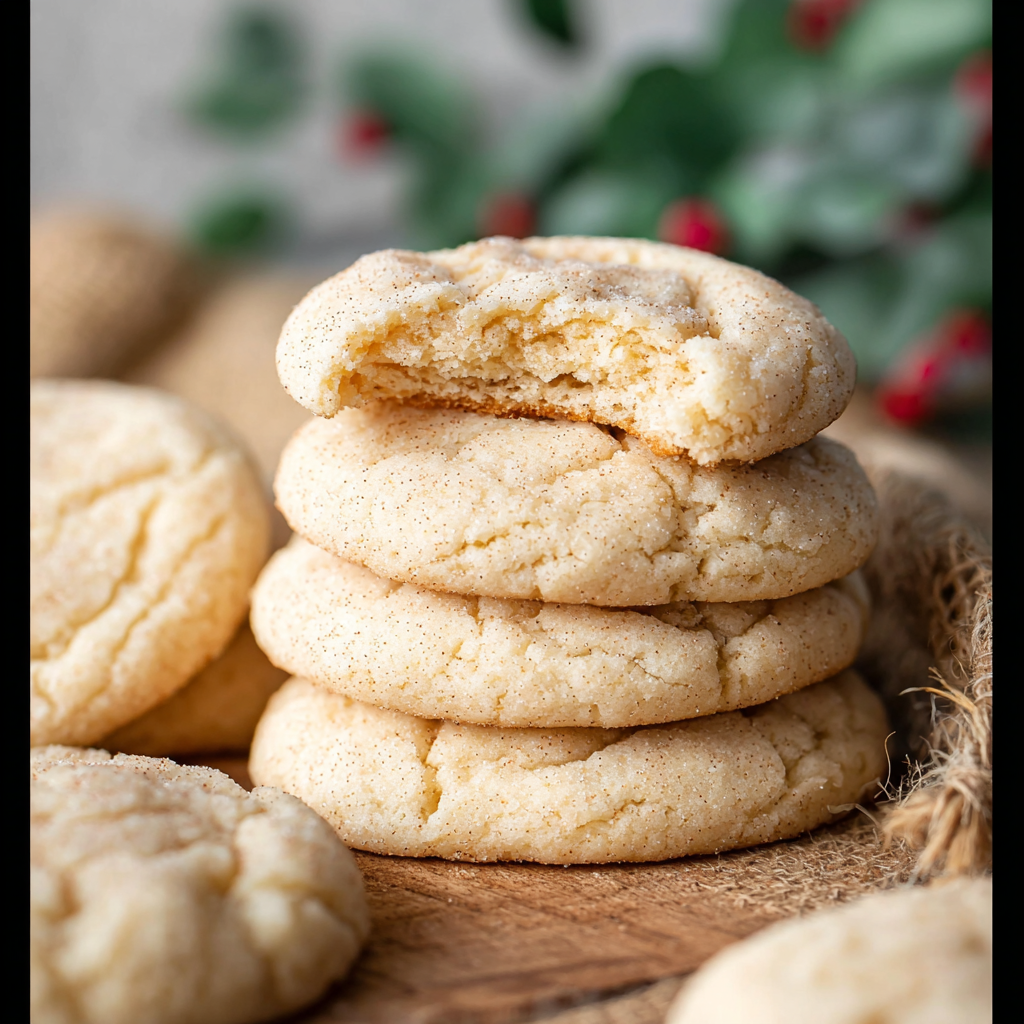
This recipe for chewy sugar cookies has been my family's favorite for holiday baking and weekday treats alike. I first perfected it during a week where I wanted something comforting but not fussy: a cookie that stayed soft for days, took well to a dusting of extra sugar, and could be dressed up for celebrations. The resulting cookie has a thin crisp edge and a tender, slightly chewy center that keeps people reaching back into the tin. It tastes of butter and vanilla with just the right amount of sweetness and a melt-in-your-mouth crumb.
I discovered the balance between creaming time and oven temperature by accident the first winter I lived in a small apartment with a temperamental oven. Slightly longer creaming produced a lighter texture while a modest oven temperature created edges that caramelized without turning tough. Family and neighbors asked for the recipe after that first batch. Over time I learned small tricks that make a big difference, like using room-temperature egg, measuring flour by spooning and leveling, and chilling the dough briefly for neater rounds. These cookies are forgiving, quick to make, and scale well for parties or a quiet afternoon of baking.
My family always lines up to test the first batch. One year I made a double batch for a small school party and a teacher came back for the secret. It felt good to pass on this small comfort. The ease and reliability of this formula are what make it a keeper in our house.
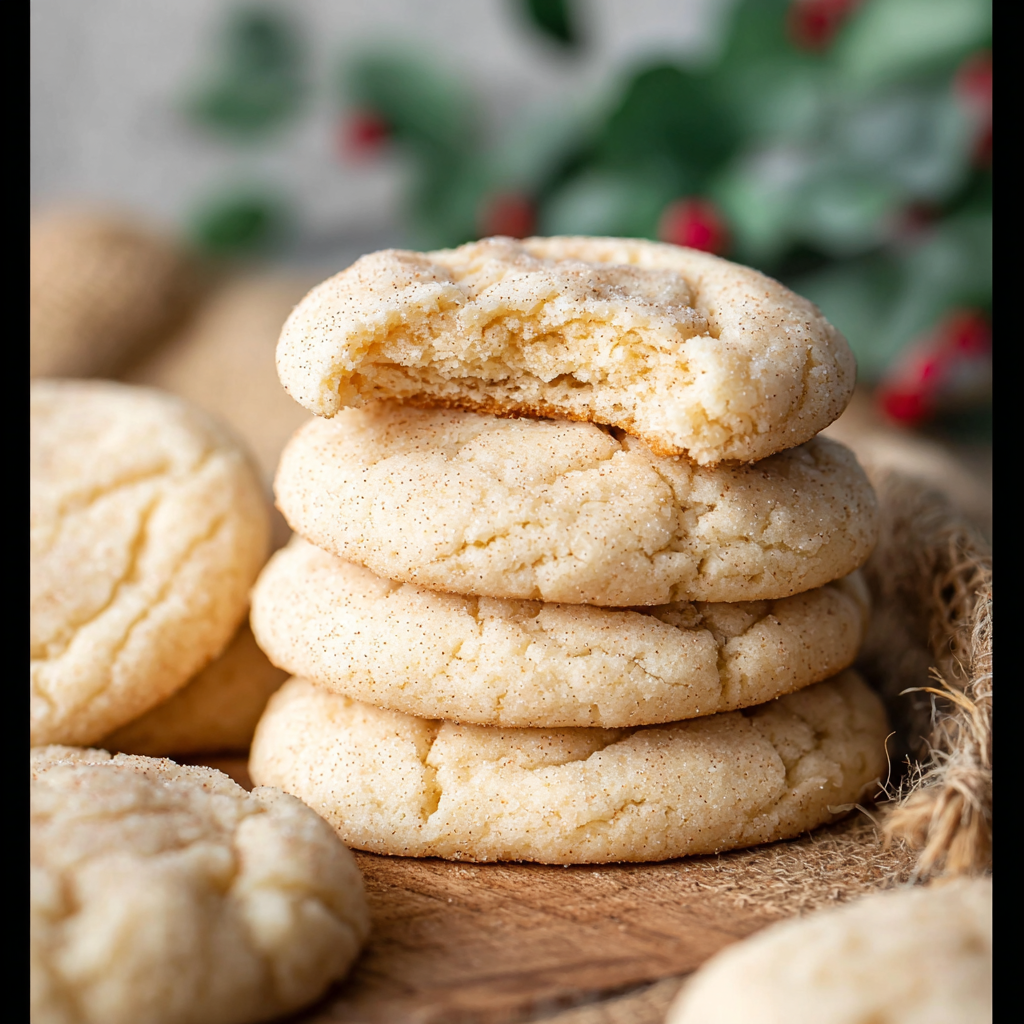
These steps produce cookies with crisp edges and a soft, chewy center. Watch the first batch closely, since ovens vary, and adjust time by a minute if you prefer softer or firmer centers.
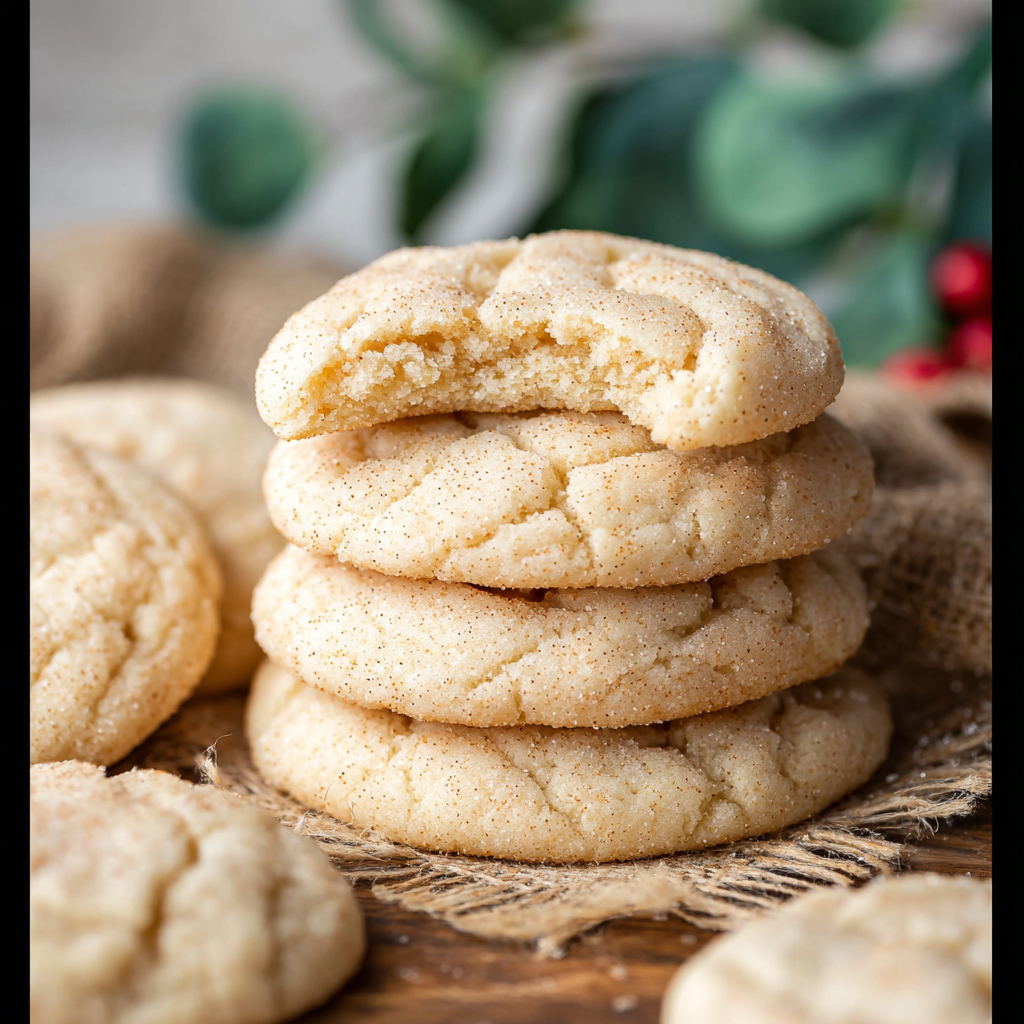
My favorite thing about this cookie is how versatile it is. I have taken the base to cookie exchanges, school events, and quiet Sunday baking sessions. At a recent family reunion these cookies disappeared first from the dessert table, and an aunt asked for the dough to take home. That kind of instant appreciation is what keeps me returning to this simple, dependable formula.
Store baked cookies in an airtight container with a sheet of parchment between layers to prevent sticking. Kept at room temperature, they maintain a good texture for about four days. To revive texture after refrigeration, leave cookies at room temperature for 30 minutes before serving or warm them for 5 to 7 seconds in a microwave. For longer storage, freeze baked cookies in a single layer on a baking sheet until firm, then transfer to a freezer-safe container for up to three months. When freezing raw dough, shape into balls, freeze on a tray, then store in a freezer bag and bake from frozen adding an extra minute to the baking time.
If you need to adapt the recipe, try these swaps. Replace half the all purpose flour with whole wheat pastry flour for a nuttier flavor; expect a slightly denser cookie. For a dairy-free option, substitute the butter with a 1 to 1 dairy-free margarine formulated for baking and add a teaspoon of neutral oil if the dough looks too firm. To make them gluten free, use a cup-for-cup gluten-free flour blend with xanthan gum; texture will be slightly different but still enjoyable. For flavor variations, swap 1 teaspoon of vanilla for almond extract or add 1 tablespoon citrus zest to the dough.
Serve these cookies warm with a glass of cold milk or a cup of coffee for breakfast or afternoon snack. For parties, arrange them on a platter with colored sugar or sprinkles. They pair well with simple icings such as a thin lemon glaze or a dusting of powdered sugar for a festive look. For holiday gatherings, sandwich two cookies with a flavored buttercream or marshmallow crème for extra indulgence.
Sugar cookies are a classic American treat with roots in European butter cookie traditions. The simplicity of sugar, butter, and flour made them a household staple when refined sugar became widely available. Over time the sugar cookie evolved into many regional versions, from thin crisp rounds to thick chewy discs. This version leans toward the mid-Atlantic style: soft center, lightly crisped edges, and a flexible format for rolling, cutting, or decorating.
Adapt the recipe for seasons by changing flavors and decorations. In winter, add warm spices such as 1/2 teaspoon cinnamon and a pinch of nutmeg. Spring and summer benefit from citrus zest and a lemon glaze. For autumn, fold in 1/2 cup chopped toasted pecans and a dash of maple extract. Holiday baking invites colored sugars, natural food dyes in a simple icing, or use cookie cutters to create themed shapes.
Make dough ahead and portion into scoops on a parchment-lined tray, then freeze solid and transfer to a bag. When you need fresh cookies, bake directly from frozen and add a minute or two to the time. This approach is perfect for preparing multiple batches ahead of time for events. Label containers with date and bake small test cookies first to confirm timing when baking from frozen.
These cookies are simple comfort food that reward small attention to detail. Whether you keep them simple with rolling sugar or decorate for a celebration, they are a dependable favorite and a great canvas for flavor experiments. Bake a batch, share them, and make the recipe your own.
Measure flour by spooning into the cup and leveling to avoid dense cookies.
Use room-temperature egg and very softened butter for best texture.
Chill the dough briefly for neater rounds and less spread.
Watch the first tray closely; ovens vary and a minute can change texture.
Roll dough balls lightly and then roll in sugar for even coating and sparkle.
This nourishing chewy sugar cookies recipe is sure to be a staple in your kitchen. Enjoy every moist, high protein slice — it is perfect for breakfast or as a wholesome snack any time.
Yes. Dough can be chilled for 15 to 30 minutes to reduce spreading or frozen in scooped balls for up to 3 months. Bake from frozen adding 1 to 2 minutes.
Bake at 350°F for 8 to 10 minutes. Look for edges set and slight color; centers should still look soft as they firm while cooling.
This Chewy Sugar Cookies recipe makes perfectly juicy, tender, and flavorful steak every time! Serve with potatoes and a side salad for an unforgettable dinner in under 30 minutes.
Preheat oven to 350°F. Line baking sheets with parchment. Position oven racks in the center and upper third if baking multiple sheets to ensure even browning.
Whisk together flour, baking powder, baking soda, and salt in a medium bowl to evenly distribute leaveners and aerate the mixture.
Cream softened butter with sugar until light and fluffy, about 2 to 3 minutes. Add egg and vanilla and beat until incorporated. Proper creaming traps air for tenderness.
Add dry ingredients on low speed until just combined. Avoid overmixing. If dough is very soft, chill 15 to 30 minutes for firmer rounds and less spread.
Portion dough into 1 to 1 1/4 inch balls, roll lightly, then roll in additional sugar. Place 2 inches apart on prepared sheets to allow for spreading.
Bake at 350°F for 8 to 10 minutes until edges are set and just beginning to color. Cool on the sheet 5 minutes before transferring to a rack to finish cooling.
Last Step: Please leave a rating and comment letting us know how you liked this recipe! This helps our business to thrive and continue providing free, high-quality recipes for you.
Leave a comment & rating below or tag
@solushcooks on social media!

A lighter take on a classic comfort favorite that swaps pasta for roasted spaghetti squash and keeps all the creamy, cheesy goodness with optional broccoli or chicken for extra heartiness.
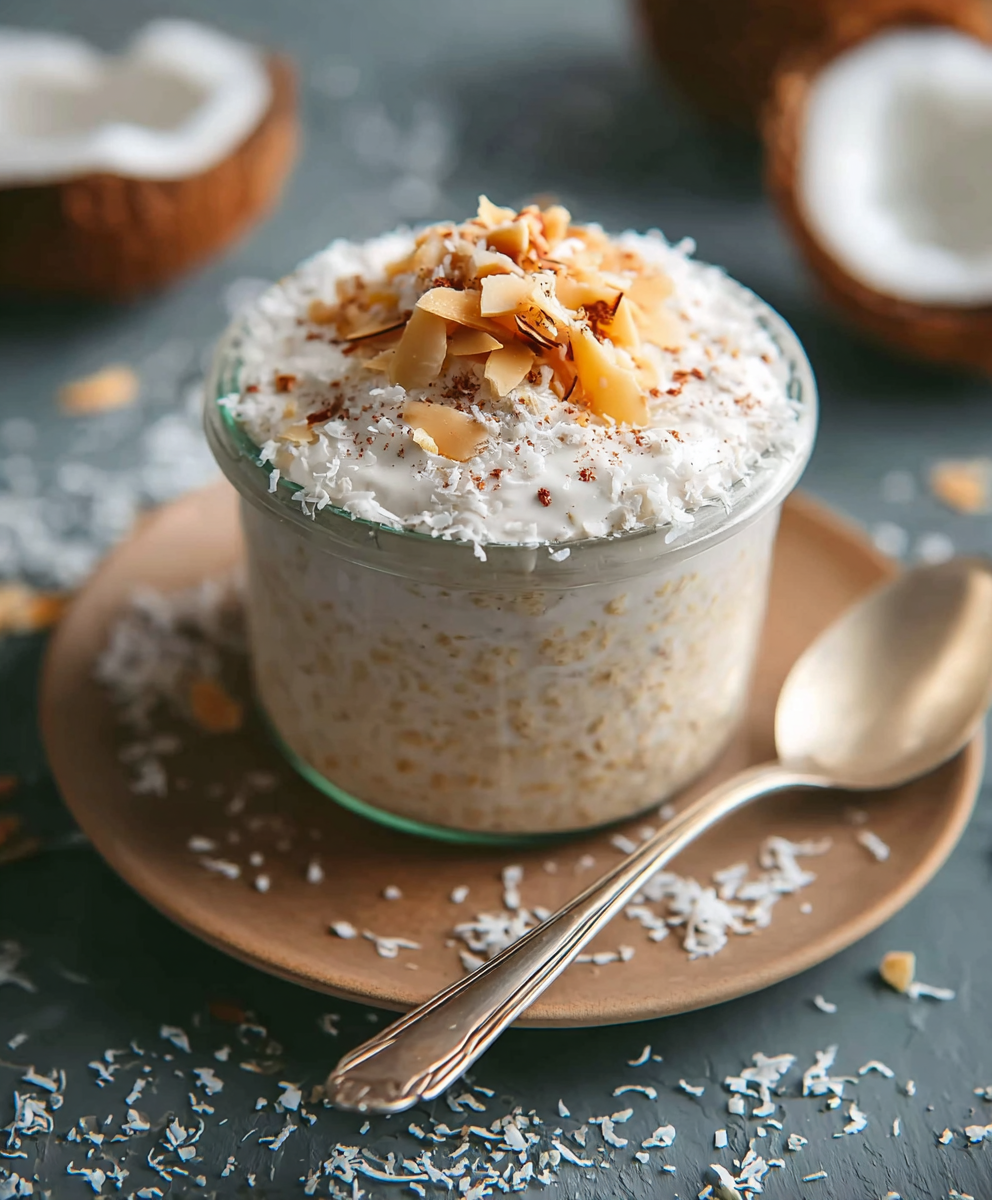
A dreamy no-cook breakfast that tastes like coconut cream pie — creamy coconut milk, tangy Greek yogurt, shredded coconut, and optional banana make mornings feel indulgent and effortless.
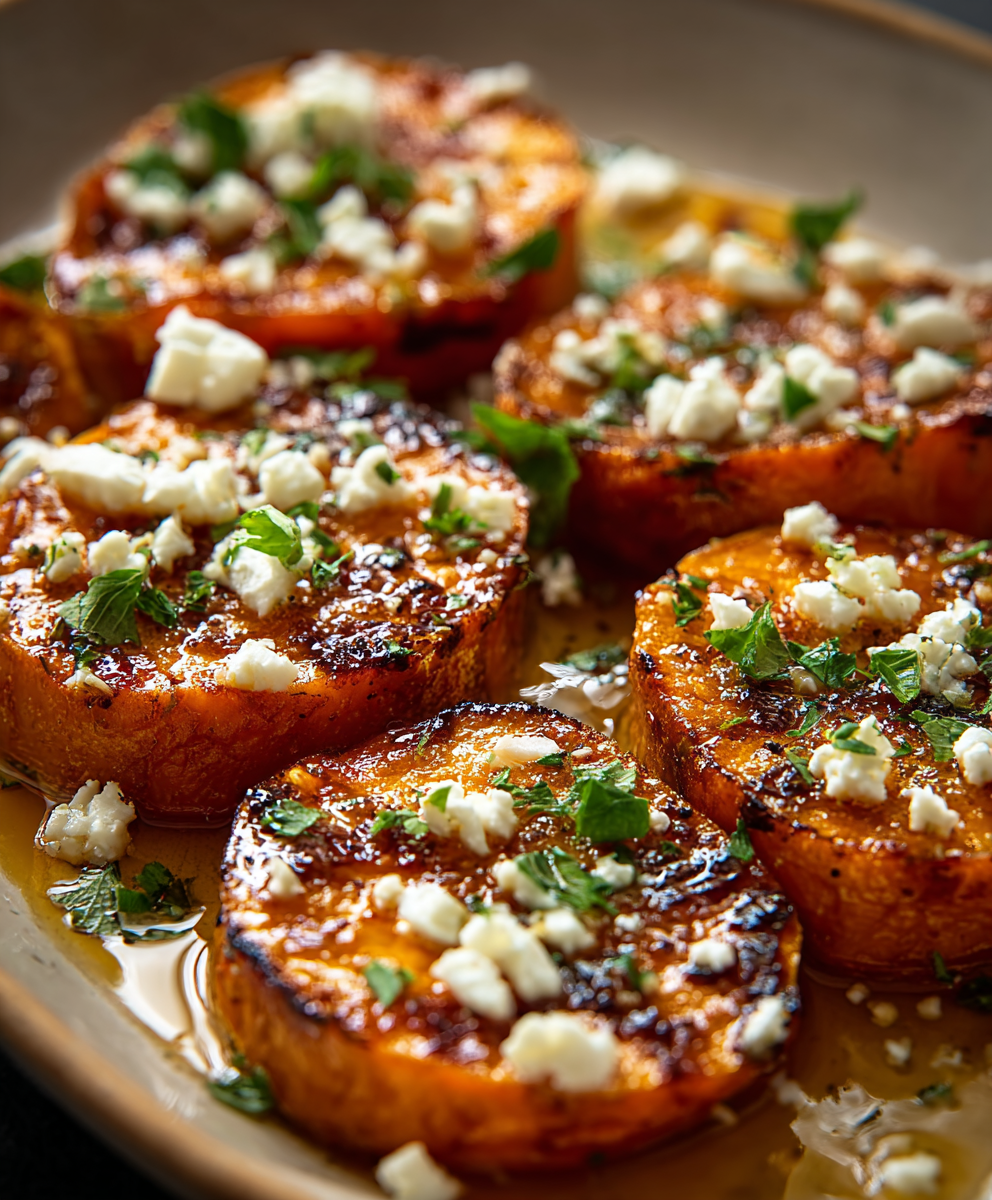
Crisp-edged sweet potato rounds roasted until tender, finished with salty feta, a drizzle of honey, and fresh parsley—an effortless crowd-pleaser for gatherings or weeknights.
Leave a comment & rating below or tag @solushcooks on social media!
Enjoyed this recipe? Share it with friends and family, and don't forget to leave a review!
This recipe looks amazing! Can't wait to try it.
Comments are stored locally in your browser. Server comments are displayed alongside your local comments.

Join to receive our email series which contains a round-up of some of our quick and easy family favorite recipes.