
>>

A classic Hong Kong–style stir-fried noodle dish with crisped egg noodles, bright vegetables, and a savory soy-oyster sauce—fast, pantry-friendly, and endlessly adaptable.
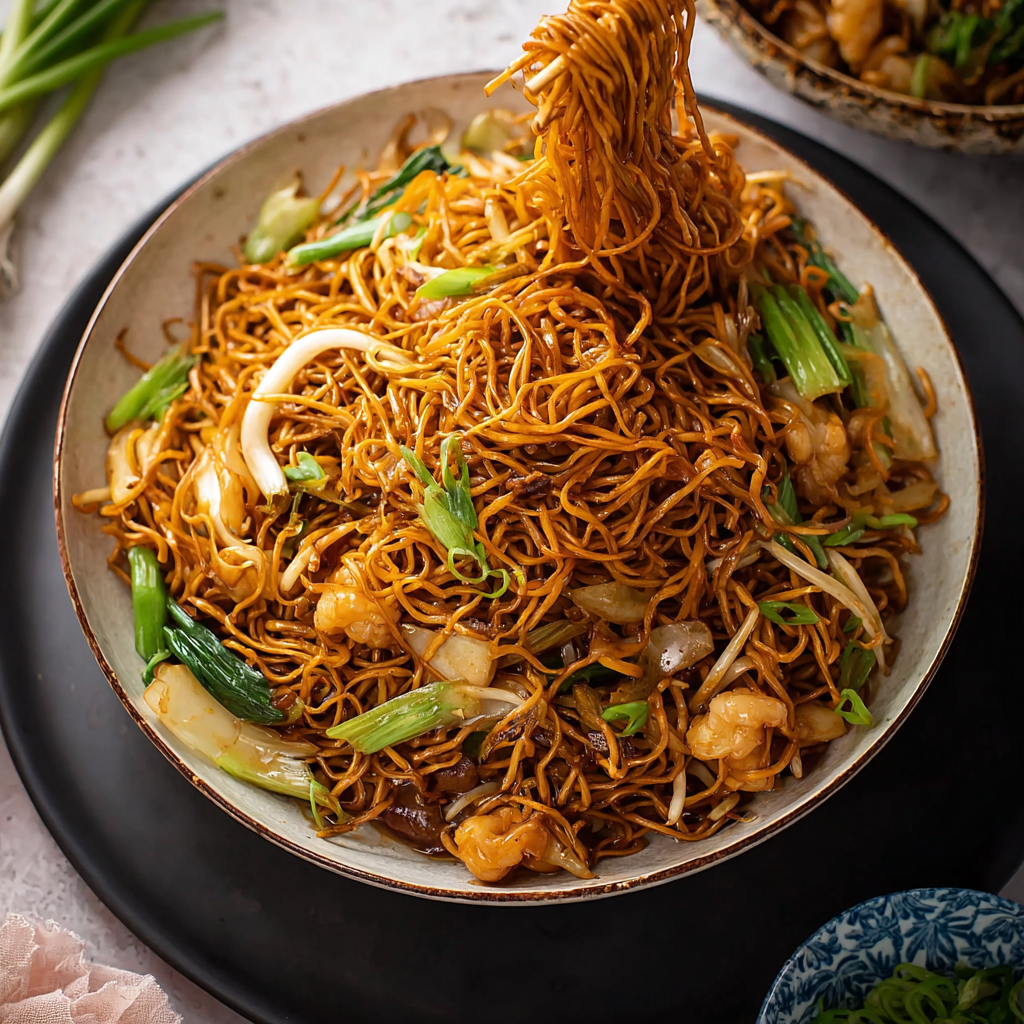
Every time I make this the house fills with a warm, toasty aroma that makes people gather at the stove. My family remembers the first time I served it for an impromptu dinner party and how the pan-crisped noodles disappeared in minutes. It feels simple, but there is a small amount of attention to timing and heat that rewards you with a truly satisfying result.
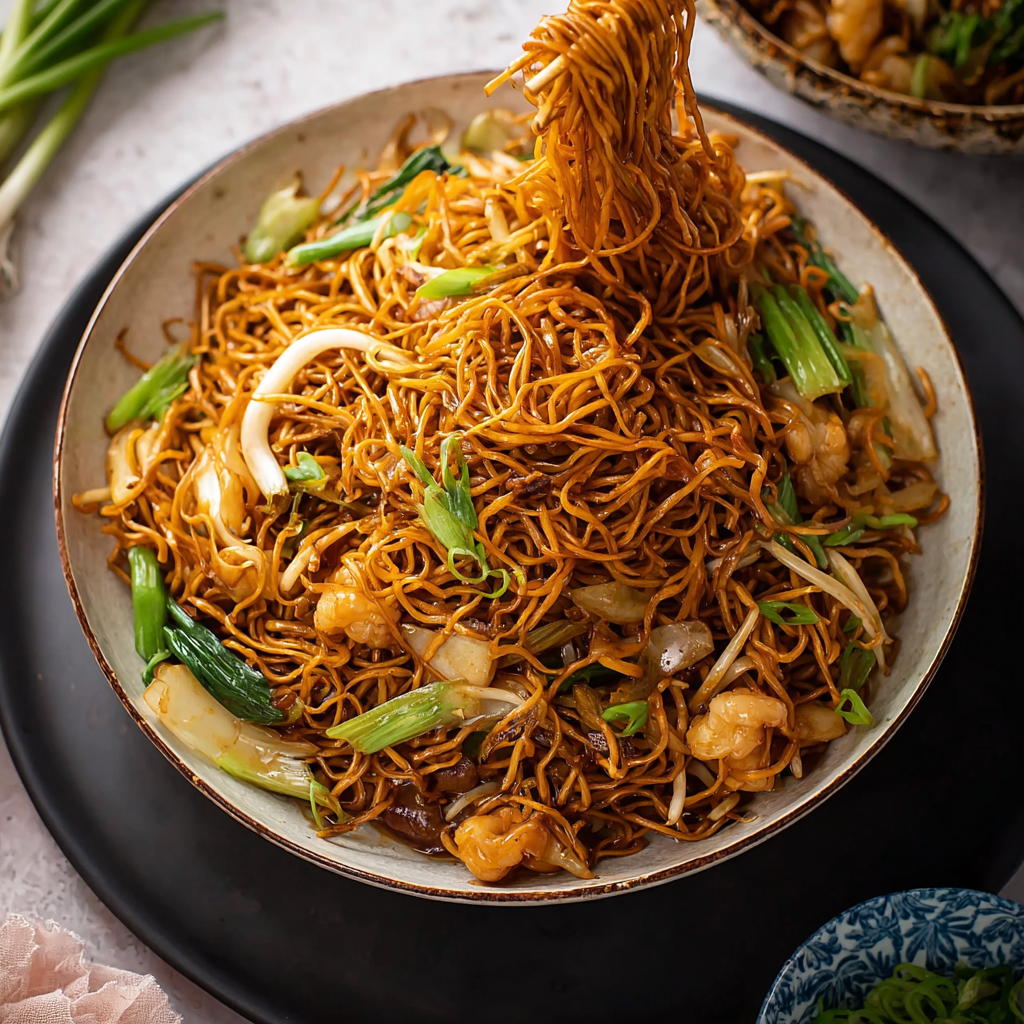
I love that this dish is so forgiving. The first time I tried to crisp noodles at home I overhandled them and lost the crust. Learning to let them cook undisturbed transformed the outcome. Since then, every time I serve it at home the reaction is the same: a chorus of approving crunches and requests for seconds. It’s simple food that feels like a small triumph.
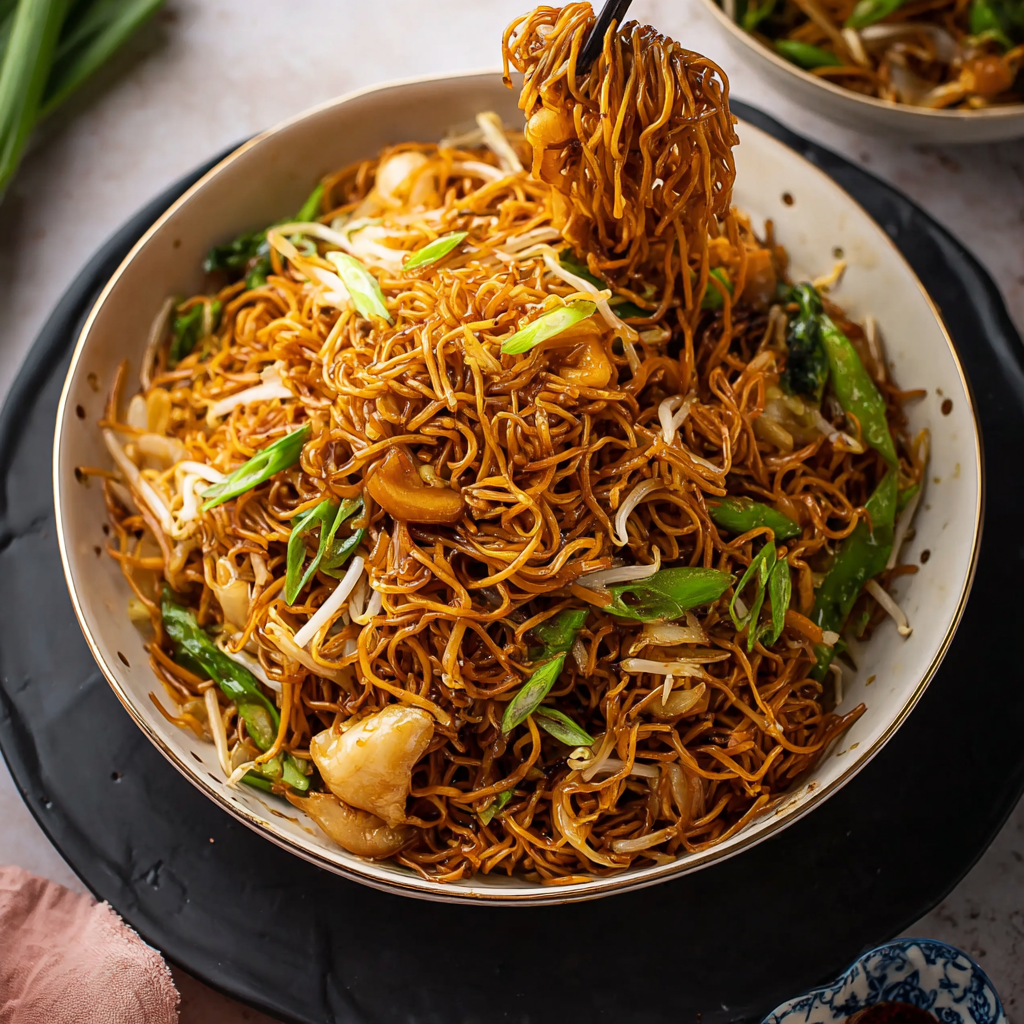
To keep leftover chow mein at its best, cool it quickly and transfer to an airtight container, then refrigerate for up to 24 hours. The noodle crisp will soften over time. To reheat, warm a tablespoon of neutral oil in a skillet over medium-high heat and toss the noodles for two to three minutes until steaming hot and slightly revived. Avoid microwaving when possible, as it makes textures soggy. Do not freeze if you want to preserve the crispness; if frozen, expect a softer texture when reheated.
If you cannot find fresh Hong Kong noodles, use thin egg noodles that are labeled for lo mein or chow mein and adjust soaking time. For a vegetarian option, replace oyster sauce and fish sauce with 2 tablespoons mushroom-based vegetarian oyster sauce and a pinch of soy sauce, and add a teaspoon of miso dissolved in the water for depth. To make it gluten-free, substitute gluten-free soy sauce and use rice noodles, though rice noodles will not crisp the same way. Swap corn oil for peanut oil for a slightly nuttier flavor when not avoiding allergens.
Serve this as a main course with a simple side of steamed bok choy, blanched Chinese broccoli, or a bright cucumber salad to cut the richness. Garnish with toasted sesame seeds or extra sliced green onion for color and texture. For a heartier meal, add thinly sliced char siu pork, shredded rotisserie chicken, or sautéed prawns toward the end of cooking. It works equally well as part of a larger family-style spread.
Chow mein has regional variations across China and in overseas Chinese communities. The Cantonese style emphasizes a contrast between fried, crisped noodles and tender vegetables with a glossy savory sauce. In Hong Kong, the technique of briefly soaking fresh noodles and then flash-frying them in a wok yields the signature texture diners expect. This dish is a great example of Cantonese cooking’s focus on balancing textures and achieving depth from simple, high-quality ingredients.
In spring, fold in snow peas and blanched asparagus tips for a bright, seasonal take. In winter, swap bean sprouts for thinly sliced Napa cabbage and add shiitake mushrooms for earthiness. For holiday gatherings, add roasted peanuts or cashews for crunch and extra protein. The sauce remains flexible; increase oyster sauce slightly for richer winter meals or lighten it with extra soy and a splash of rice vinegar in summer for brightness.
Prepare the sauce and slice all vegetables a day ahead. Soak noodles and drain thoroughly in a colander set over a paper towel, cover, and refrigerate for up to a day. When ready to cook, bring the wok to full heat and pan-crisp the noodles just before serving. This approach saves time and ensures the final toss is quick, preserving texture and freshness.
Making Cantonese chow mein at home is a rewarding exercise in heat control and timing. With a few pantry staples and fresh noodles, you can reproduce that satisfying restaurant-style contrast of textures. Invite friends, crisp a big batch of noodles, and enjoy the warm, savory flavors that make this dish a reliable favorite.
Let the noodles sit undisturbed in the wok to develop a golden crisp before flipping; this creates the characteristic texture.
Use a neutral oil with a high smoke point, such as corn or peanut oil, to withstand the wok's high heat.
Separate the white and green parts of the scallion so the whites cook for aroma and the greens remain bright as a garnish.
Do not over-soak fresh noodles; 30 seconds to one minute is usually enough so they remain firm enough to crisp.
This nourishing cantonese chow mein recipe is sure to be a staple in your kitchen. Enjoy every moist, high protein slice — it is perfect for breakfast or as a wholesome snack any time.
This Cantonese Chow Mein recipe makes perfectly juicy, tender, and flavorful steak every time! Serve with potatoes and a side salad for an unforgettable dinner in under 30 minutes.
Place the fresh egg noodles in a heatproof bowl and pour boiling water over them. Soak 30 seconds to 1 minute until pliable, then drain in a colander and shake off excess water. The noodles should be damp but not dripping.
Combine dark soy, light soy, oyster sauce, fish sauce, sugar, and warm water in a small bowl and stir until the sugar dissolves. Slice the onion and separate the white and green parts of the green onions.
Heat 1 tablespoon corn oil in a wok over medium-high heat until shimmering. Add the sliced yellow onion and the white parts of the green onions and stir-fry 45 to 60 seconds until fragrant. Remove and set aside.
Add 1 tablespoon oil to the hot wok, then add the drained noodles and spread into an even thin layer. Let sit undisturbed for 90 to 120 seconds to develop a golden crisp. Flip sections, add the remaining tablespoon of oil, and cook another 90 to 120 seconds until both sides show crisp color.
Return the cooked onion whites to the wok along with the green parts of the scallions and the bean sprouts. Pour the sauce around the wok and gently toss for 1 to 2 minutes until everything is coated and the sprouts are just wilted.
Remove from heat, drizzle sesame oil over the noodles, toss lightly, and serve immediately so the crisped texture is preserved.
Last Step: Please leave a rating and comment letting us know how you liked this recipe! This helps our business to thrive and continue providing free, high-quality recipes for you.
Leave a comment & rating below or tag
@solushcooks on social media!

A lighter take on a classic comfort favorite that swaps pasta for roasted spaghetti squash and keeps all the creamy, cheesy goodness with optional broccoli or chicken for extra heartiness.

A dreamy no-cook breakfast that tastes like coconut cream pie — creamy coconut milk, tangy Greek yogurt, shredded coconut, and optional banana make mornings feel indulgent and effortless.

Crisp-edged sweet potato rounds roasted until tender, finished with salty feta, a drizzle of honey, and fresh parsley—an effortless crowd-pleaser for gatherings or weeknights.
Leave a comment & rating below or tag @solushcooks on social media!
Enjoyed this recipe? Share it with friends and family, and don't forget to leave a review!
This recipe looks amazing! Can't wait to try it.
Comments are stored locally in your browser. Server comments are displayed alongside your local comments.

Join to receive our email series which contains a round-up of some of our quick and easy family favorite recipes.